25 April 2024
Future Eclipses/Italy’s Nomad Visa/Death of ExOfficio
Nomadico Newsletter #101
A weekly newsletter with four quick bites, edited by Tim Leffel, author of A Better Life for Half the Price and The World’s Cheapest Destinations. See past editions here, where your like-minded friends can subscribe and join you.
Planning Future Solar Eclipse Viewings
I had a few bizarre minutes of totality on a beach in Mazatlan last week and the latest total solar eclipse was a fantastic experience. If you’re looking to make travel plans to catch a future one, you’ll need to head out of North America for the next couple of decades. Upcoming total eclipse viewing opportunities will be Iceland/Greenland, Spain/northern Africa, Australia/New Zealand, and Botswana/South Africa. See a full list here that goes beyond 2030.
A Travel Power Strip for Europe
I often travel with a portable travel power strip for places that don’t have enough outlets, but that problem is especially prevalent in Europe where double outlets are a rarity and buildings can be much older. So when I head to Spain in May, I’m packing this travel power strip with a European plug so I won’t have to pack an additional adapter. The four-foot cord wraps around the base and there’s a strap to hold it together, so it packs up tight.
Italy’s Digital Nomad Visa is Live
Italy’s digital nomad visa is officially available as of this month, though obtaining one looks to be far from simple according to this article. You need a stack of documents including proof of income, hefty health insurance, proof of accommodation in Italy, and a criminal record certificate. As with most of these, however, there’s a fatal flaw in the “proof of employment” requirement that seems to eliminate the largest pool of potential applicants. You must “submit a declaration signed by their employer before any visa will be granted.” Time will tell if we can submit one on our own behalf or if this is a deal breaker for the self-employed and the solopreneurs.
The Death of ExOfficio
I started traveling decades ago, so I’ve got a lot of ExOfficio clothing in my closet. The items were uncannily long-lasting, still looking good after 20 or 30 trips. I say “were” because the brand got bought out by the Newell Rubbermaid conglomerate a few years ago, the makers of Sharpies, trash bins, and toasters. ExOfficio has now devolved into an underwear-only brand: read the sad story I wrote back in February here. It gets worse though: their closest competitor, UK-based Craghoppers, announced this month that they are pulling out of the U.S. market, despite this historic market share opportunity opening up. Buy up inventory while you still can at their U.S. site through April 30.
04/25/2424 April 2024
What’s in my NOW? — Matt Rutherford
issue #176
Sign up here to get What’s in my NOW? a week early in your inbox.
DJ, newsletter writer, optimist. Making people smarter and happier. My weekly email is crammed full of tips for a better life – and a musical recommendation 🎧. — Matt Rutherford

PHYSICAL
- Paper Republic Grand Voyageur XL Leather Journal — I’m a firm believer in hand writing notes to make them stick. Whilst I like drafting things online, I use disposable fountain pens to gather my ideas and record memories on squared paper.
- Nikon Prostaff 7S Binoculars — I recently moved near the sea, and my wife bought me these binoculars. I get an immense amount of joy watching boats sail in and around the Dublin Bay area.
- Samsung Viewfinity S9 Display — I’ve come to the conclusion that the monitor set up that works best for me is one screen, with lots of resolution (at least 4K). I’ve tried curved screens, dual monitors and even triple displays, but getting the most real estate right in front of my eyes works best. This one is the sweetspot in terms of function, size, features – and it has a great webcam to cut down the connections & cables.
DIGITAL
- Ghost — This newsletter/website platform has revolutionised the way I work, cutting down the amount of time spent fiddling and fixing sites and helping me focus on writing content and hitting publish. It hasn’t fixed my imposter syndrome, but it has helped with procrastination.
- Magnet — With all the screen real estate, you need a great window management tool. Magnet is the tool that helps me arrange everything I need in front of me. For a few dollars, this gives me ALL the options for moving windows into the right place, and hotkeys to speed things up. Invaluable software.
INVISIBLE
Fail we May, Sail we Must
Advice for any creator who needs to move forwards.
04/24/2423 April 2024
Hole in the Heart / Hattie & Hudson
Books That Belong On Paper Issue No. 11
Books That Belong On Paper first appeared on the web as Wink Books and was edited by Carla Sinclair. Sign up here to get the issues a week early in your inbox.
A MOVING AND REFRESHINGLY HONEST LOOK AT RAISING A CHILD WITH SPECIAL NEEDS





Hole in the Heart: Bringing Up Beth
by Octavia E. Butler (Author), Damian Duffy (Adapter), John Jennings (Illustrator)
Penn State University Press
2016, 288 pages, 6.8 x 0.8 x 9.5 inches, Paperback
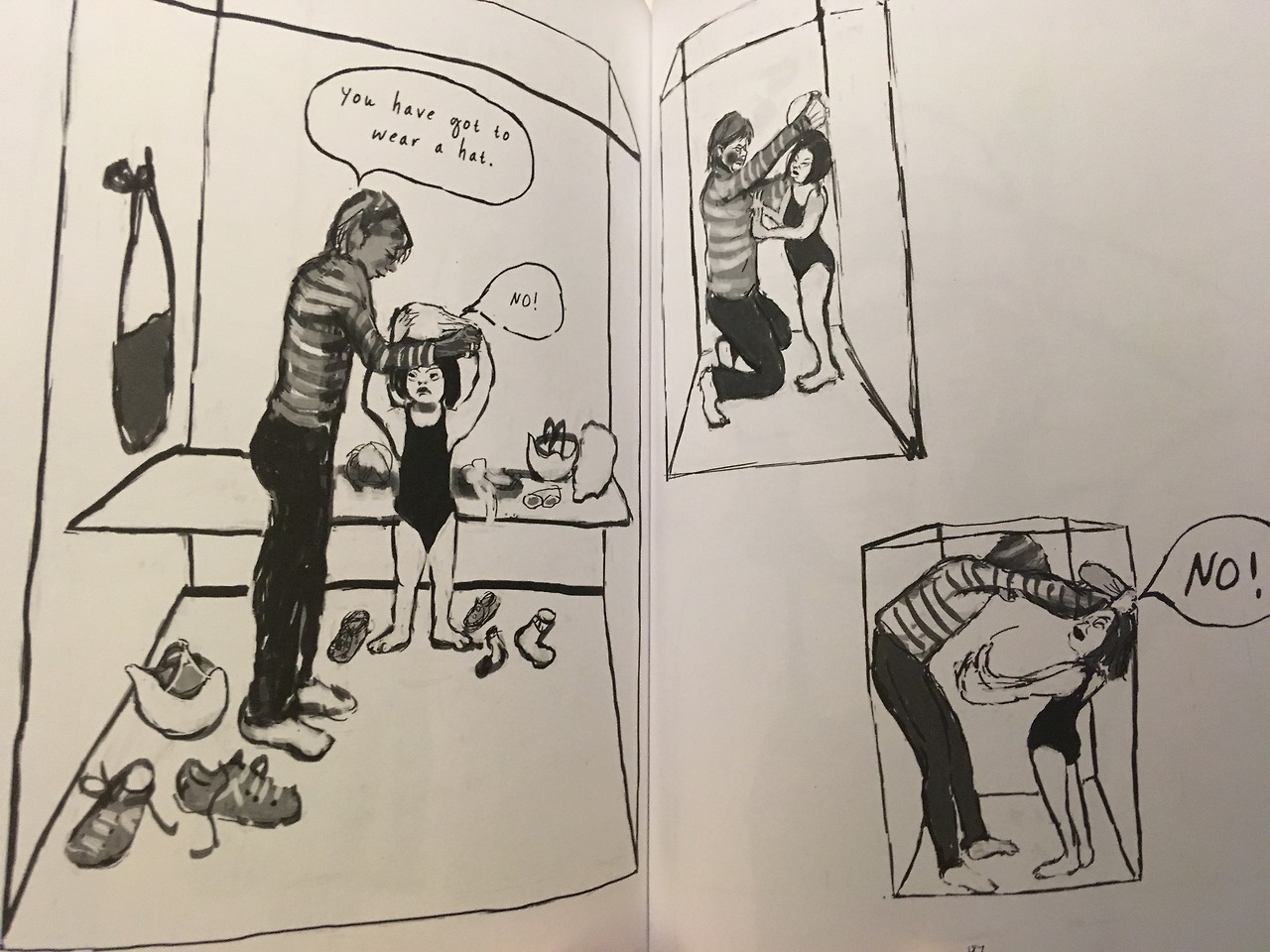
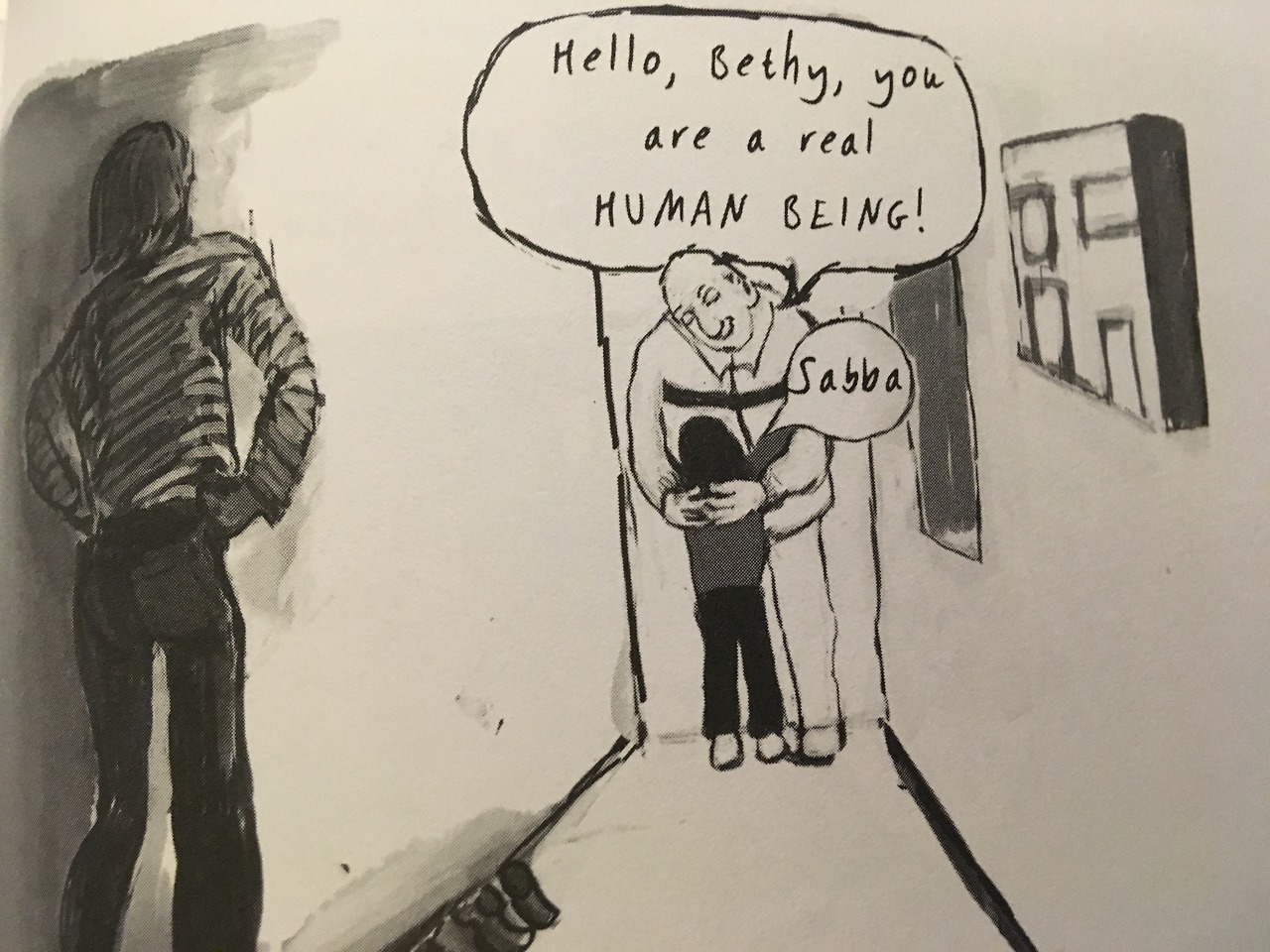
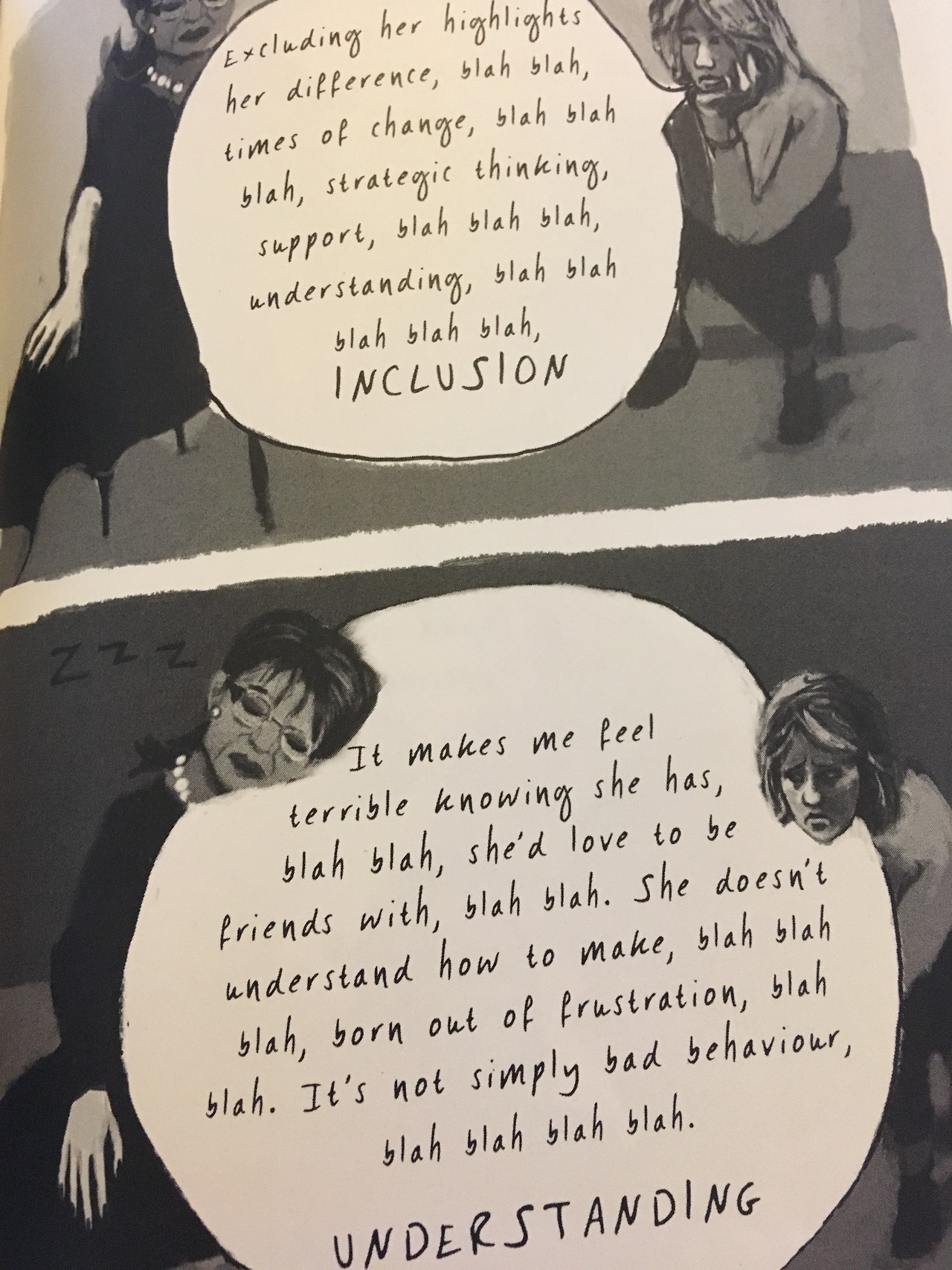
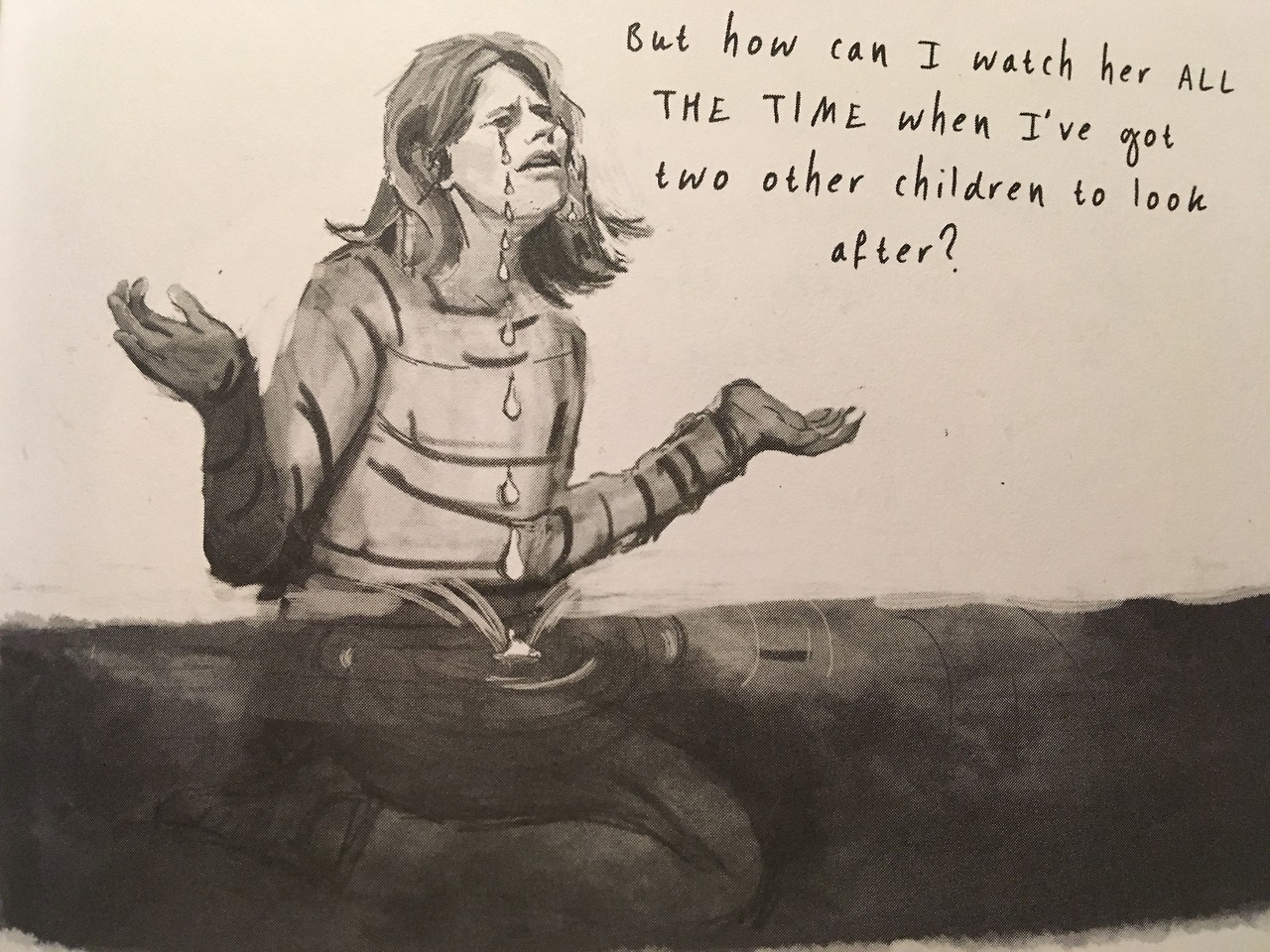
This isn’t an easy read, but it’s an important and memorable one. Hole in the Heart, a memoir about giving birth to a child with Down syndrome, expresses anger, frustration, guilt, and many other parenting emotions. The book is moving and feels searingly honest, for instance when it explores Beaumont’s ambivalence about the outcome of her daughter Beth’s heart surgery. She struggles with the thought that it might not be such a terrible thing if Beth doesn’t make it.
The colors are starkly monochromatic, but Beaumont does expressive, figurative things with them that communicate emotional depths. This includes crying fat tears that threaten to drown her, or showing differences in moods using shadows.
Parents are under such pressure to be perfect, including saying all the right things. It’s brave of Beaumont to give voice to such complicated and difficult feelings in Hole in the Heart.
– Christine Ro
A LITTLE GIRL AND HER COLOSSAL FRIEND TEACH A MONSTER-SIZE LESSON ABOUT PREJUDGING OTHERS



Hattie & Hudson
by Chris Van Dusen
Candlewick Press
2017, 40 pages, 10.1 x 0.4 x 11.7 inches, Hardcover
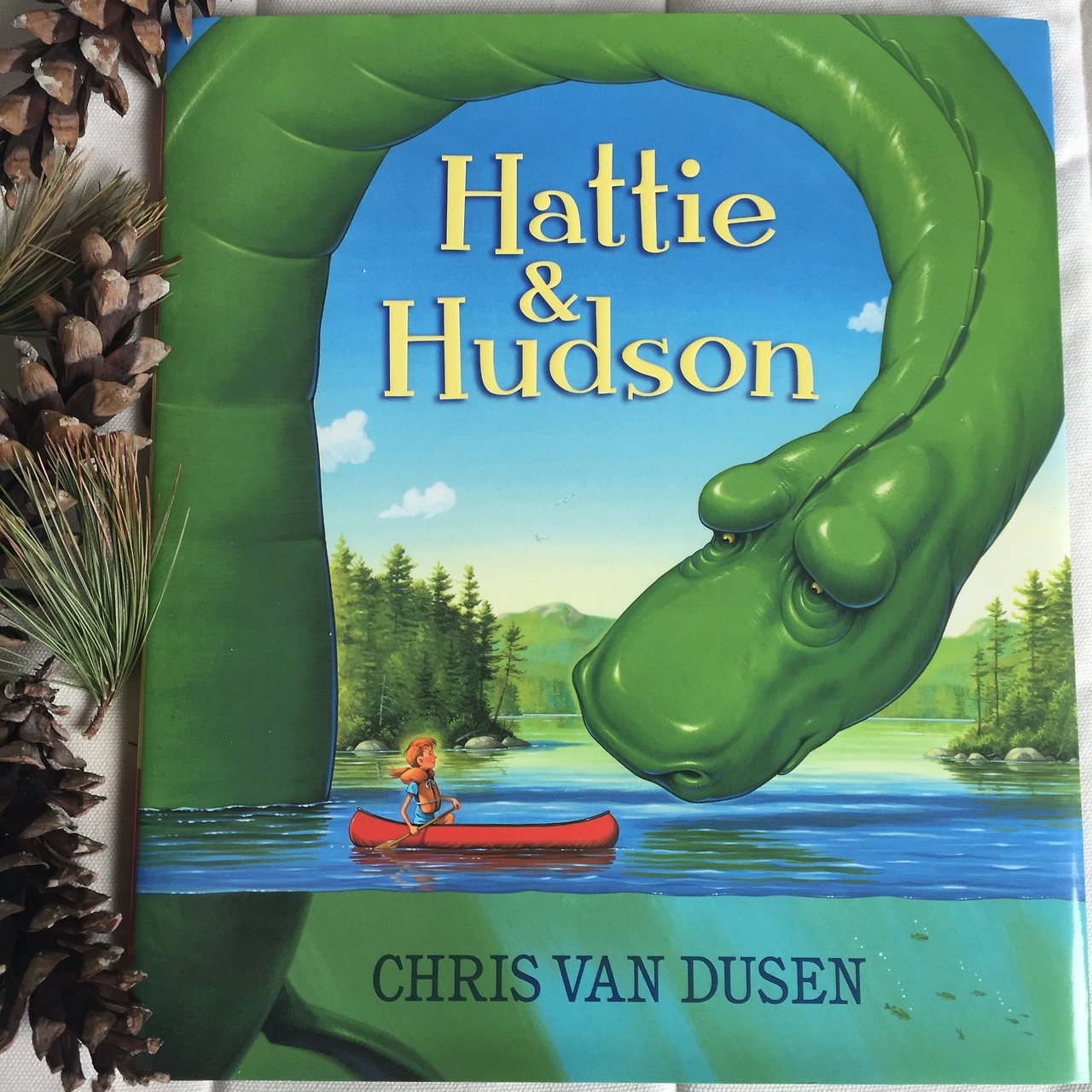
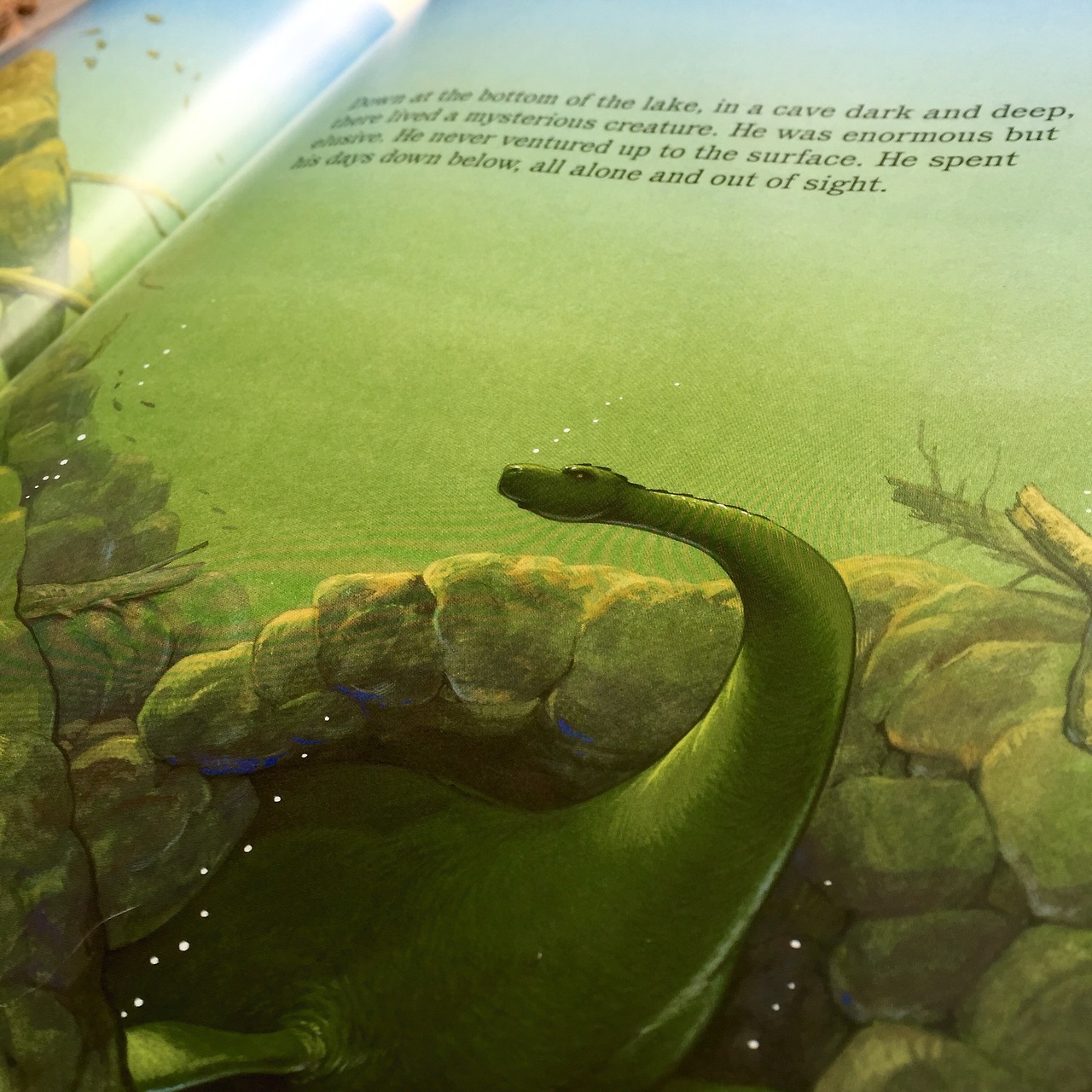
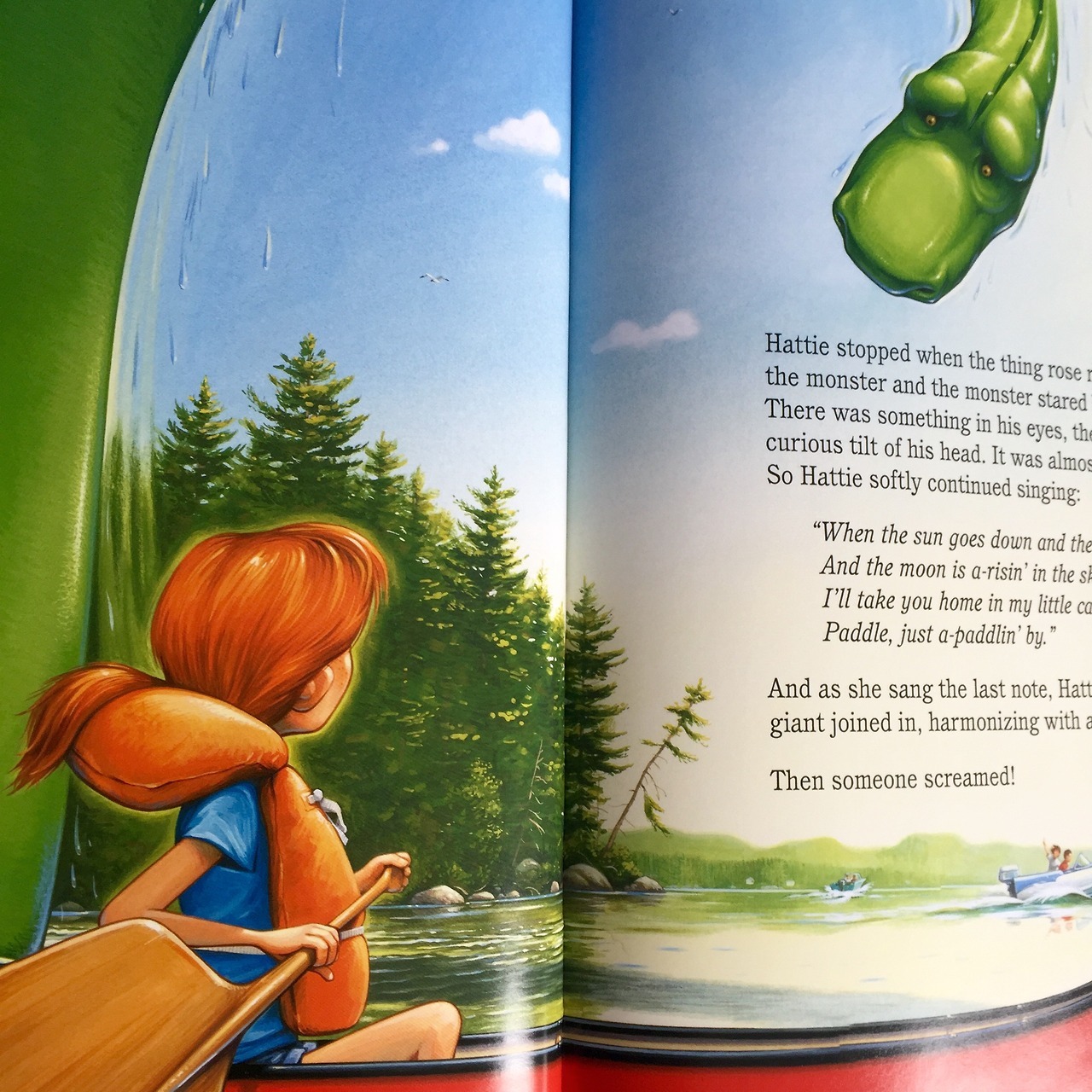
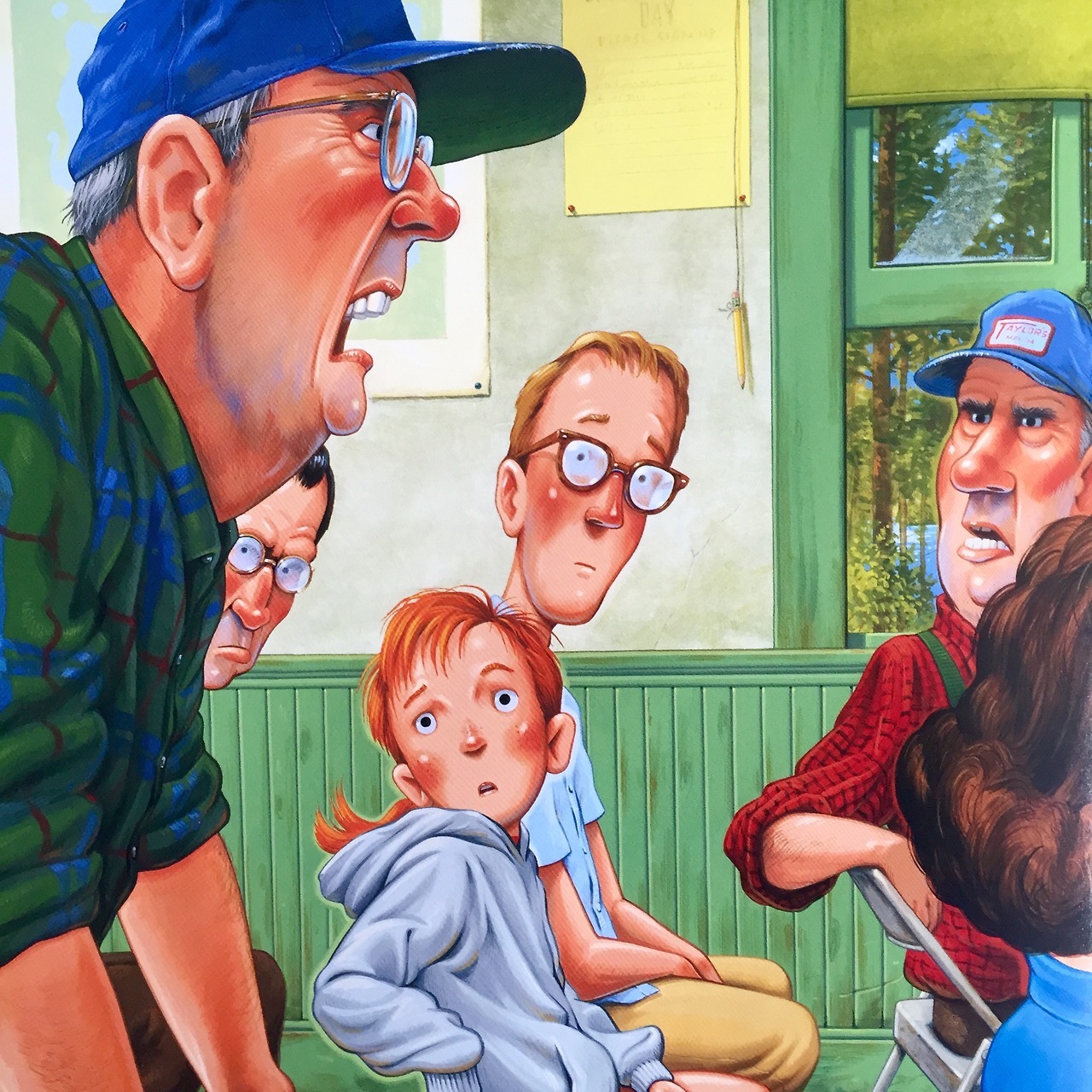
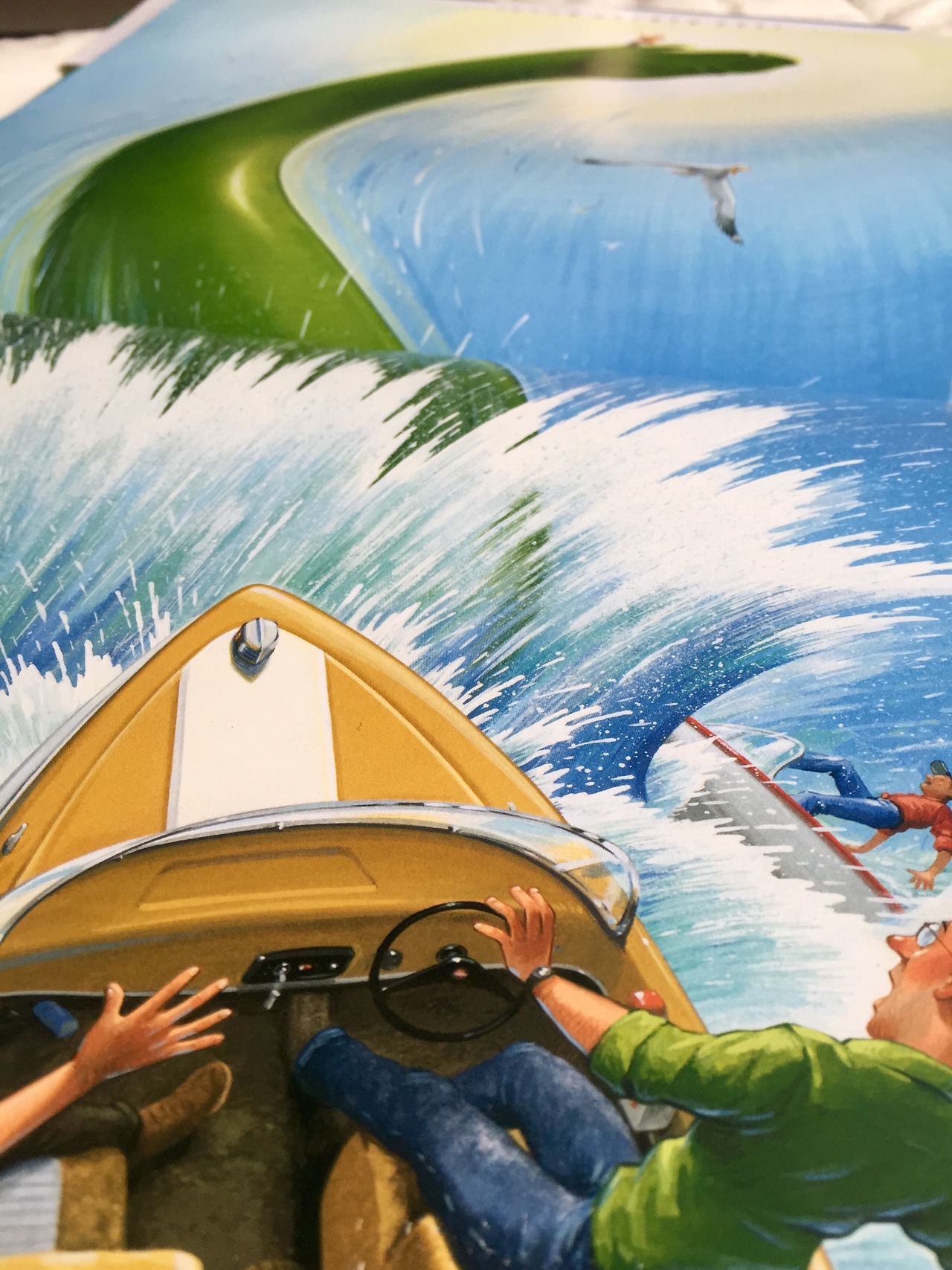
Hattie & Hudson is a beautiful book in every way. When Hattie McFadden paddles out on the lake one summer morning for her daily dose of exploring, she is so happy, she begins to sing. “So come with me ‘cause there’s room for two, / We’ll be together, you and I. / Out on the lake in my little canoe, / Paddle, just a paddlin’ by.” Her calm, sweet song unexpectedly charms “a monster” at the bottom of the lake who can’t help but respond to the invitation. Though Hattie can see Hudson for who he really is, the townspeople are not so welcoming.
This story is a great in for getting kids talking about everything from persistence to profiling. Concepts of home and belonging, of loud, angry grownups acting out of fear, of power and voice all make it a book that works for many kids, on many levels.
Visually, Hattie & Hudson rivals Chris Van Dusen’s 2009 release, The Circus Ship, in its breathtakingly gorgeous Maine-inspired landscapes and achingly expressive Rockwell-meets-Pixar characters. But where The Circus Ship is silly and bouncy and quick, Hattie & Hudson uses the time (and space) needed to tell the story of a quietly righteous little girl and the power of friendship.
04/23/2422 April 2024
Bike Basics
Tools for Possibilities: issue no. 83
Once a week we’ll send out a page from Cool Tools: A Catalog of Possibilities. The tools might be outdated or obsolete, and the links to them may or may not work. We present these vintage recommendations as is because the possibilities they inspire are new. Sign up here to get Tools for Possibilities a week early in your inbox.
Bicycling sanity
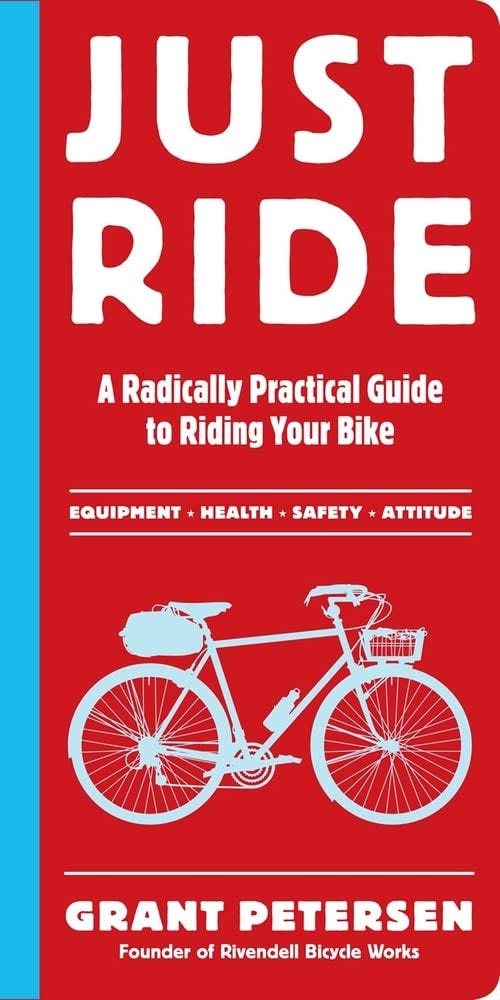
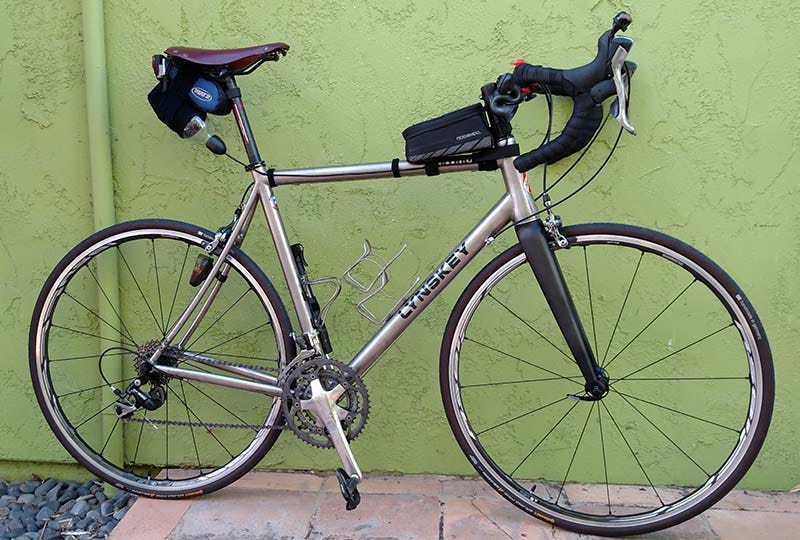
This book returns the fun to recreational bicycling. Biking has been taken over by racing style; weekend riders and bike commuters imitate racers in their gear and approach. The author is a long-time bicycle maker, racer, and advocate, and in this manifesto he deflates common bicycling myths one by one. He argues you can wear ordinary street clothes, and that you will be less tired if you don’t use clip in cleats on your pedals, that the weight of the bike does not really matter, baskets are cool to have, plastic saddles are good enough, and so on. I’ve ridden bikes for 40 years, including long-distance touring and everyday commuting, and the common sense Grant Peterson preaches here is both absolutely true and refreshing. If biking seems less fun than it once did, read this. You’ll save a lot of money, and will enjoy riding more. — KK
- I say, wear underwear–even if it’s cotton. That goes against a powerful rumor mill that considers cotton underwear a no-no for any kind of ride beyond a ten-minute commute. The naysayers say it gets wet with sweat; the sweat makes your skin more vulnerable to chafing; the seams are uncomfortable at best and will cause saddle sores at worst.
- The only riders who benefit from clipless pedals are racers, and only because their pedals are so small and slippery. If you don’t ride tiny, slippery pedals, you don’t need stiff, cleated shoes.
The benefits of pedaling free far outweigh any real or imagined benefits of being locked in. They are as follows:Your muscles last longer. Moving your foot about the pedal shifts the load, even if slightly, to different muscles, and spreads the load around. Sprint up the hills on the balls of your feet and, on long-seated climbs, push with the pedal centered almost under your arch. It’s not a turbocharged, magic sweet spot, but it feels better and more natural, and you can’t do it if you’re locked in.You reduce the chance of a repetitive stress injury, because your feet naturally move around more, changing your biomechanics.You get off and on easier at stoplights; there’s no twisting to get out of your pedals, no fussing to get back in.You can walk in stores without walking on your heels. You can run! You aren’t handicapped by expensive and weird-looking shoes. - Whenever a rider gets hit and is being loaded, unconscious, into the ambulance, the driver who hit him will testify to the cops, “I swear, I didn’t see the dude.” If you’re looking brilliant and geeky, you’re more likely to be seen and less likely to get hit, and he won’t have that excuse.
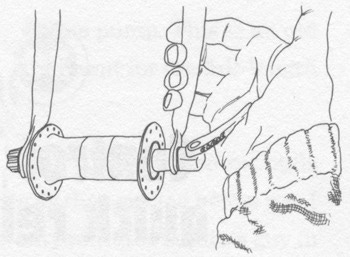
- Grab the fork with your fingers, and use the heel of your hand to close the quick release. The convex side of the lever is labeled CLOSE, and should face outward when you’re finished.Closing the lever properly requires enough force to leave an impression on your hand.
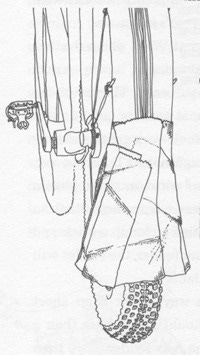
- On a stop-and-go commute, a red light at the wrong time instantly wipes out even a hundred-pound weight difference.On a descent, the heavier bike rider is faster.Light wheels accelerate faster than heavy ones, which helps when you’re taking off from a stop, but heavy wheels maintain more of their momentum than light wheels, which helps you keep your speed on rolling roads and trails.On twenty-five-mile club rides, when you and your club mates are close to the same fitness level, the pack sets the pace, and since you’re riding in a partial vacuum (not fighting the wind), it’s easy to keep up, even with heavier bike and body.
- It’s easy to buy tires with an extra layer of rubber, nylon, kevlar, or something else between the casing and tread to stop thorns. Every extra bit of protection adds weight that will always scare of racers and others under the spell, but for all-purpose Unracing rides, I like extra flat protection. Why not? I’ve fixed at least five hundred flats in my life, I’m really good at it, and I still hate it. Beef up my tires, thank you.
DIY guide to bikes & biking
Sheldon Brown’s Online Cycling Encyclopedia
Whether you’re looking to convert your road bike into a fixed gear or want to learn how a derailer functions, this site has all the info you could ever want — a giant glossary, bits of cycling history and plenty of specific instructions and photos.
His site has helped me purchase, repair and build two road bikes (my Gios Torino and a Tom Ritchey built Palo Alto).
I’ve seen, in the process, just how precise Sheldon’s attention to detail is. I had no idea that there was English and Italian threading. Sheldon has a chart that gives you the measurements for every BB out there, anything from French to Swiss. And I totally didn’t listen to his tip on Italian threaded bottom brackets and paid the price.
Even if you have no interest in working on your bike or going deeper than the basics of maintenance, this site can really boost your understanding of how a bike works (it has in my case) and even how to ride. There are great tips for beginners, including articles like “Everything You Wanted To Know About Shifting Your Bicycle’s Gears, But Were Afraid To Ask.” — Benjamin Gaffney
04/22/2421 April 2024
PamPam/One Billion Americans/Free Scribd downloader
Recomendo - issue #406
Sign up here to get Recomendo a week early in your inbox.
Maps in minutes
PamPam lets you create custom maps in minutes and it’s fun to use! I was able to quickly search for and add points of interest by simply describing them to an AI. Then, I customized them with stickers and text. It feels very playful. For an even faster map-making experience, you can copy and paste text or a link to a list of places. PamPam is free for personal use and that includes 5 maps, 100 spots, and up to 500 views per month. I decided to test it out by making a nostalgic map of my hometown in under 5 minutes, and here’s what I created. If you’re unable to view it, it’s probably because I have a free account and I’ve reached the limit of 500 views. However, you can check out the templates here. — CD
Heretical good idea
At first, the title sounds like an insane idea: One Billion Americans. But this easy-to-read book is very persuasive in making the case why current Americans benefit from a vigorous immigration policy and generous family friendly programs, as ways to increase the country’s prosperity. Matt Yglesias, the author, deals with all the obvious objections of a billion Americans in an even handed way. He changed my mind; I think it is a great idea. — KK
Free Scribd downloader
While reading an article, I came across a link to a court document hosted on Scribd. However, Scribd charges a monthly fee of $12 to access their hosted files. Since I didn’t want to subscribe just to read a document that is in the public domain, I used a website called Scribd.vpdfs.com to download the file instead. (You may want to check out the numerous complaints filed with the Better Business Bureau by users who claim that Scribd continued to charge them even after they canceled their subscription.) — MF
Best cave experience
I’ve visited many tourist caves in the world. They all have their attractions. But by far the best cave experience I’ve had is Carlsbad Caverns National Park. Not only is it huge, but it is highly decorated, with endless intimate, close-up ornate formations. And an unthinkable amount of work went into making its immense spaces accessible, without wrecking its wildness. You can easily spend half a day enchanted. Like the Grand Canyon, or the Pyramids, it is an experience that cannot be captured by images. Bonus tip: Get the self-guide audio tour. I rank it in my top 3 favorite national parks. — KK
Ear wax removal tool
Years ago I used Q-tips to remove wax from my ears. They didn’t do a good job because most of the wax got pushed deeper into my ear. Later, I found specialized ear wax removal tools that are designed to scoop and scrape out the wax more effectively. One tool I like is the Clinere earwax removal tool, which has a built-in stop guide to prevent accidentally poking too far and damaging the eardrum. — MF
Authentic recommendations
If you find Recomendo useful, you’ll definitely enjoy Rambull — a newsletter that profiles a different person each week and shares 6+ recommendations for living, buying, experiencing, and more. I had the pleasure of being profiled last week, and I was truly impressed by the thoughtfulness and care Rob, the creator, invests in crafting an issue. A few of the things I shared were ones I had intended to recommend here, making this a bonus Recomendo! — CD
04/21/2418 April 2024
Luggage Built to Last/€49 French Rail Pass/Europe on a Budget
Nomadico issue #100
A weekly newsletter with four quick bites, edited by Tim Leffel, author of A Better Life for Half the Price and The World’s Cheapest Destinations. See past editions here, where your like-minded friends can subscribe and join you.
* Happy birthday to us: we just hit issue #100! Thanks for your support and if you upgrade to being a paid supporter, we’ll reward you with an e-book soon that has 104 of our best travel and living abroad tips from our first two years.
Digital Nomad Visas On One Page
Mark F. stumbled upon this VisaList site that is an alternative to some of the digital nomad visa guides we’ve highlighted before. This one has a clean layout and reflecting the governments’ habits of “announce first, plan later,” most are still listed as “developing.” This is a very minimalist site with frequent grammar errors, but it does show fees and income requirements and it links out to the official government page for each of the 56 countries and territories.
Independent Rugged Bag Companies
You don’t see many review blogs talking about USA-based Tom Bihn or Red Oxx luggage because you can’t buy them at retailers that pay commission like REI or Amazon. They only sell directly to consumers, allowing them to maintain high standards without having to sell their products for low margins at half the retail price. Also, unlike the big companies that need to keep retailers excited, they can sell the same classic bag for 20 years and not feel pressure to make changes. I just used my 14-year-old Tom Bihn Aeronaut for two recent short trips and forgot how much faster you can move if you have a light carry-on bag with no wheels. (Read the 96 5-star comments to see what real brand devotion looks like.)
€49 French Rail Pass
You’ll need to be 27 or younger and be touring France at the busiest time of year, but if that’s you or someone you know, you could ride the rails around France this summer for just €49 for 2 months. The most populated area around Paris is excluded, but that still leaves a big chunk of the country to explore and it would only take a few trips to come out ahead. See more details here. (Note that Germany runs a similar scheme with fewer age restrictions.)
Europe on a Budget
Last year I spent about five months in Europe, this year I’ll be there somewhere between two and three months. The continent has a reputation for being expensive, but it doesn’t have to be if you’re savvy about the when, where, and how. Here’s my advice based on a few decades of visits: Touring Europe on a Budget: 11 Money-saving Travel Tips.
04/18/24ALL REVIEWS

EDITOR'S FAVORITES

COOL TOOLS SHOW PODCAST
WHAT'S IN MY BAG?
24 April 2024

ABOUT COOL TOOLS
Cool Tools is a web site which recommends the best/cheapest tools available. Tools are defined broadly as anything that can be useful. This includes hand tools, machines, books, software, gadgets, websites, maps, and even ideas. All reviews are positive raves written by real users. We don’t bother with negative reviews because our intent is to only offer the best.
One new tool is posted each weekday. Cool Tools does NOT sell anything. The site provides prices and convenient sources for readers to purchase items.
When Amazon.com is listed as a source (which it often is because of its prices and convenience) Cool Tools receives a fractional fee from Amazon if items are purchased at Amazon on that visit. Cool Tools also earns revenue from Google ads, although we have no foreknowledge nor much control of which ads will appear.
We recently posted a short history of Cool Tools which included current stats as of April 2008. This explains both the genesis of this site, and the tools we use to operate it.
 Kevin Kelly started Cool Tools in 2000 as an email list, then as a blog since 2003. He edited all reviews through 2006. He writes the occasional review, oversees the design and editorial direction of this site, and made a book version of Cool Tools. If you have a question about the website in general his email is kk {at} kk.org.
 Mark Frauenfelder edits Cool Tools and develops editorial projects for Cool Tools Lab, LLC. If you’d like to submit a review, email him at editor {at} cool-tools.org (or use the Submit a Tool form).
 Claudia Dawson runs the Cool Tool website, posting items daily, maintaining software, measuring analytics, managing ads, and in general keeping the site alive. If you have a concern about the operation or status of this site contact her email is claudia {at} cool-tools.org.