21 August 2026
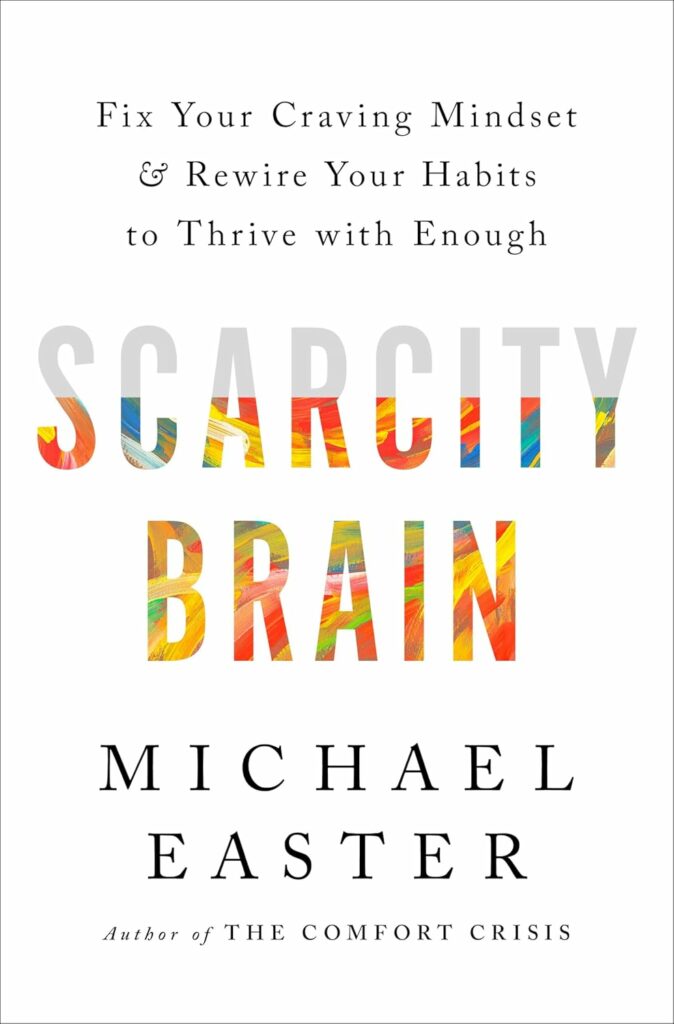
Book Freak #223: Scarcity Brain
Fix Your Craving Mindset and Rewire Your Habits to Thrive with Enough
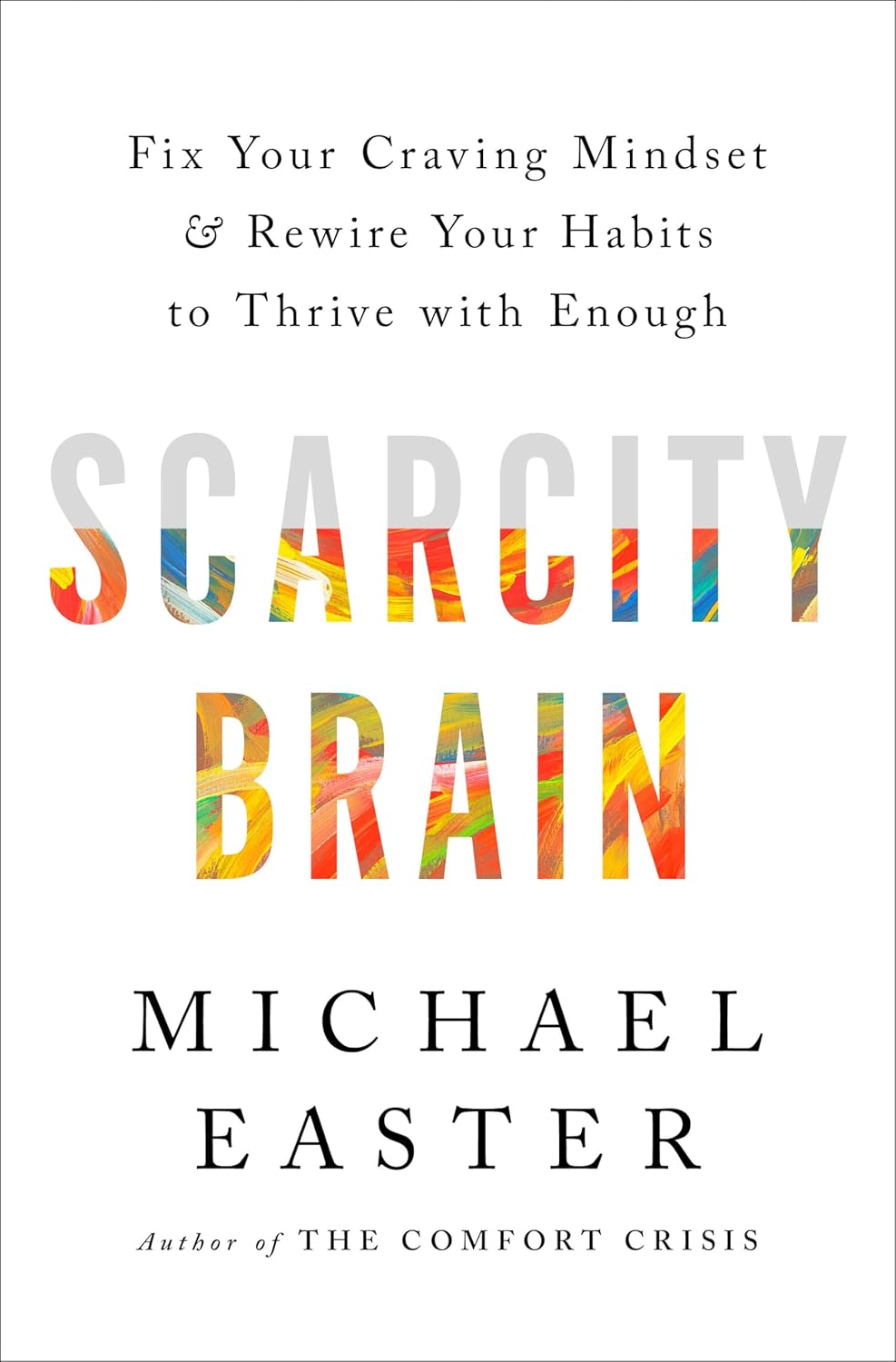
Scarcity Brain reveals why we constantly crave more food, stuff, information, and influence than we need. Understanding your evolutionary wiring can help you feel like you have enough.
Core Principles
The Scarcity Loop Drives Our Worst Habits
Easter identifies a three-part mechanism he calls the “scarcity loop” that drives compulsive behaviors: 1) opportunity (a chance to get something valuable), 2) unpredictable rewards (you might win, you might not), and 3) quick repeatability (you can try again immediately). This loop explains the appeal of slot machines, social media scrolling, sports betting, dating apps, and overeating. Once you recognize this pattern, you see it everywhere. You can design your environment to break the cycle.
Your Brain Evolved for a World That No Longer Exists
Our ancestors survived in a scarce environment because they grabbed every calorie, resource, and opportunity they could find. Today we have an abundance of everything we evolved to crave, yet we’re still wired to act as if we don’t have enough. The mismatch between our ancient brains and modern abundance shows up in obesity, shopping addiction, and doom-scrolling.
Uncertainty Is the Hook
Our brains fixate on uncertainty. The possibility of a reward excites our dopamine system far more than a guaranteed one. This is why variable rewards are so addictive: the “maybe” keeps us engaged. Casinos, tech companies, and food manufacturers have all learned to exploit this quirk. Understanding this helps explain why we check our phones compulsively (maybe there’s something interesting) and why we struggle to stop eating chips (the next one might taste even better).
The Fix Is Understanding
Easter argues that understanding why we crave more lets us shake our worst habits and appreciate what we already have. When he lived with Benedictine monks, he learned to treat happiness as a byproduct of things like helping others and activities that build self-understanding.
Try It Now
- Identify your scarcity loops. List three behaviors you do compulsively (scrolling, snacking, shopping). For each, identify the opportunity, unpredictable reward, and quick repeatability that keep you hooked.
- Add friction. Break one scarcity loop by making it harder to repeat quickly. Move apps off your home screen, keep snacks in a cabinet instead of on the counter, or add a 24-hour wait rule before purchases.
- Practice “enough” awareness. Before your next meal, purchase, or scroll session, pause and ask: “Do I actually need this, or is my scarcity brain talking?” Notice the craving without immediately acting on it.
Quote
“In the human brain, less equals bad, worse, unproductive, more equals good, better, productive. Our scarcity brain defaults to more and rarely considers less. And when we do consider less, we often think it sucks.”
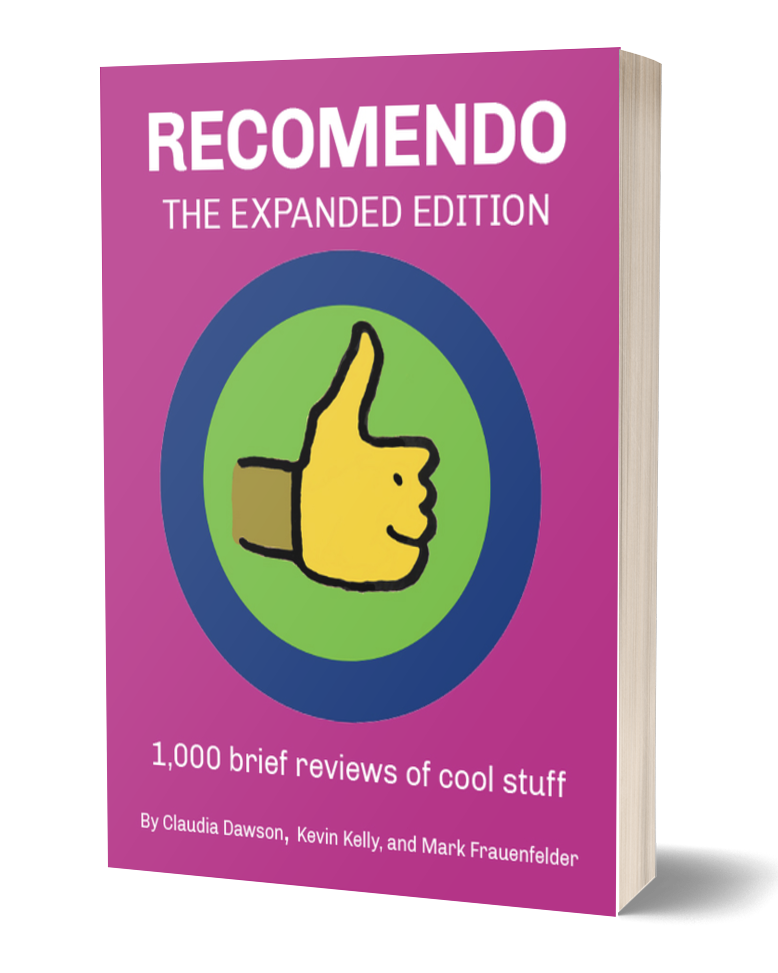
Book Freak is published by Cool Tools Lab, a small company of three people. We also run Recomendo, the Cool Tools website, a YouTube channel and podcast, and other newsletters, including Recomendo Deals, Gar’s Tips & Tools, Nomadico, What’s in my NOW?, Tools for Possibilities, Books That Belong On Paper, and Book Freak.
08/21/2620 August 2026
Tiny Sleep Aid/Roatan’s Sovereign City/Odd Airline News
Nomadico Issue #220
A Tiny White Noise Machine for Carry-on Packing
My wife and I have landed in Almaty after very long flights to Kazakhstan. We both packed carry-ons for a trip of more than three months of traveling in Asia. That can be a challenge, but she’s still got her sleep aid white noise machine covered with this tiny Babelio White Noise one with 15 sounds that she bought a few months ago at Amazon. It’s about the volume of a golf ball, but cylindrical, and the sound quality and volume are on par with much bigger ones we have tried. It includes a handy travel case.
Co-living With a Libertarian Twist
Here’s something that goes beyond a typical transient co-living space. On Roatan Island in Honduras there’s an independent, decentralized community called Próspera. But you don’t have to invest to experience it. Builders Node is an option for founders looking for try out the plug-in lifestyle in a freedom-based kind of community. Starting at $1,950/month, you get a private room, 3 meals a day, ocean-view co-working, access to the gym and pool, and regular activities. I haven’t seen anything else like this in the world and hope to check it out in person next year. See the details here.
Nomadico is a reader-supported publication. To receive new posts and support my work, consider becoming a free or paid subscriber.Upgrade to paid
Random Airline News
Lots of odd airline news this past month, so I’m tossing them all in here. I didn’t see this one coming: budget carrier Allegiant (that recently purchased Sun Country) is installing first class seats. United got sued for selling window seats with no windows and the federal judge denied United’s attempts to drop it. American Airlines made its elite status worth even less than it already was, saying “forget about those upgrades we promised.” Also, the London stock exchange is losing another ticker symbol as easyJet got bought by a U.S. private equity firm.
Larry David + American History
If (and only if) you’re a fan of Curb Your Enthusiasm, there’s a new show on HBO you can stream in bursts when you need a good laugh. Called Life, Larry, and the Pursuit of Unhappiness, each episode is a series of sketch comedy vignettes that put a different spin on everything from the Boston Tea Party to the Shootout at the OK Corral to stranded Donner Party cannibalism. With one reliably annoying character inserted in each scene. It features a parade of 100+ funny actors and even Barak Obama. See the IMDB listing here.
A weekly newsletter with four quick bites, edited by Tim Leffel, author of A Better Life for Half the Price and The World’s Cheapest Destinations. See past editions here, where your like-minded friends can subscribe and join you.
08/20/2619 August 2026
What’s in my NOW? — Keith Kahn-Harris
issue #267
I am a sociologist and writer based in London. Aside from my work at the Institute for Jewish Policy Research (where I am a senior research fellow) and my teaching at Leo Baeck College (a rabbinic seminary), I am the author of 9 non-fiction books. My particular research specialisms are heavy metal music and culture and Jewish communities.
My latest book The Beautiful Death of Ozzy Osbourne: How Metal Teaches Us To Live was published by Harper North in June 2026. More info on the book and my work can be found at kahn-harris.org.

PHYSICAL
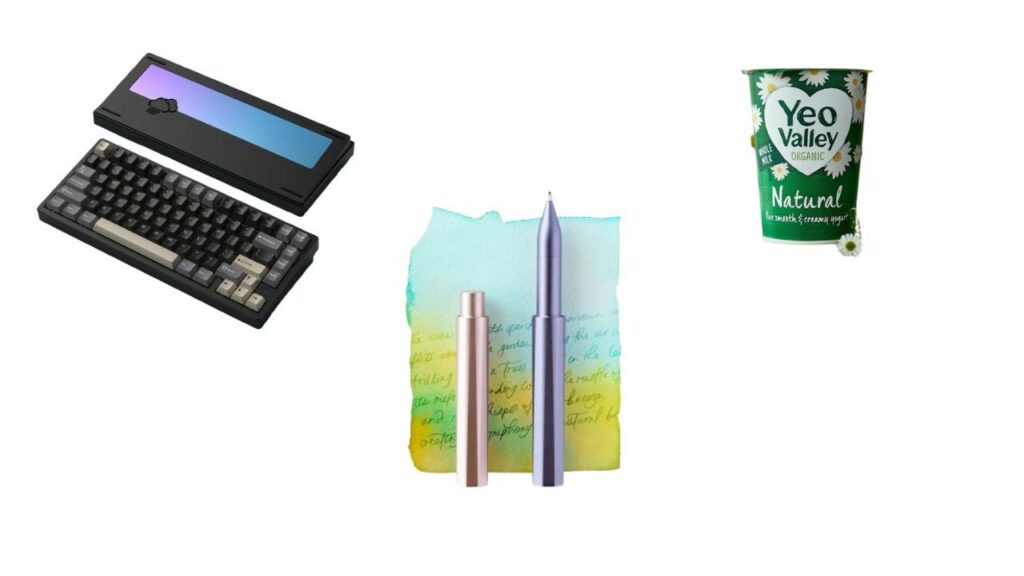
- Wobkey Rainy 75 Mechanical keyboard (with Gateron Oil Kings switches): It’s no exaggeration to say that my discovery of mechanical keyboard culture over the last year has made my life much sweeter. It has also helped me as a writer. I never knew that typing could be a gorgeous, synaesthetic experience; a feat for the ears and the hands. Since I replaced the stock switches with Gateron Oil Kings, the Rainy 75 has felt almost scandalously good to type on.
- Tom’s Studio Wren pen: I have always been a stationery aficionado so, when my wife sung the praises of this pen, I didn’t need much persuasion to get one for myself. As a fountain pen lover, the Wren has really surprised me – not only is it refillable, it has a smooth feel that I wouldn’t normally associate with a fibre tip pen like this. Using the Wren with my MD Studio A6 notepaper is pure loveliness.
- Plain yoghurt: I am on the weight loss drug Mounjaro/Tirzepatide right now. I’ve not only lost a lot of weight, the drug has also improved my general health and raised my energy levels. The side effect is some stomach bloating and discomfort. Plain yoghurt soothes and comforts. Some days it constitutes the bulk of my diet.
DIGITAL
- Fedora Atomic Cosmic Linux: I installed this distribution on a spare laptop a few months ago and I have been really enjoying it. It’s zippy, reliable and comes with auto-tiling, which makes organising the desktop a cinch. I still have to use my clunky windows 11 laptop for work but, every chance I get I switch over to an operating system that is a joy to use.
- I switched over from Evernote to Obsidian a few months ago. I use it for note-taking, web clipping and as a personal knowledge base. The learning curve was a bit steep and the endless customisation options can be overwhelming. But it has allowed me to build a system that reflects my needs and working style. Plus everything is stored locally as markdown, rather than in a proprietary format as with Evernote.
INVISIBLE
Early mornings: One of the unexpected benefits of Mounjaro/Tirzepatide has been that I sleep well and wake early. I am often at my desk at 7am, rested and ready for the day. This has had a revolutionary impact on my life. Instead of waking late after a broken night’s sleep, I start the day before many other people are even awake. The world is quieter then and there is space to think and to create.
Sign up here to get What’s in my NOW? a week early in your inbox.
08/19/2618 August 2026
Make: Fun! / Baba Yaga’s Assistant
Issue No. 131
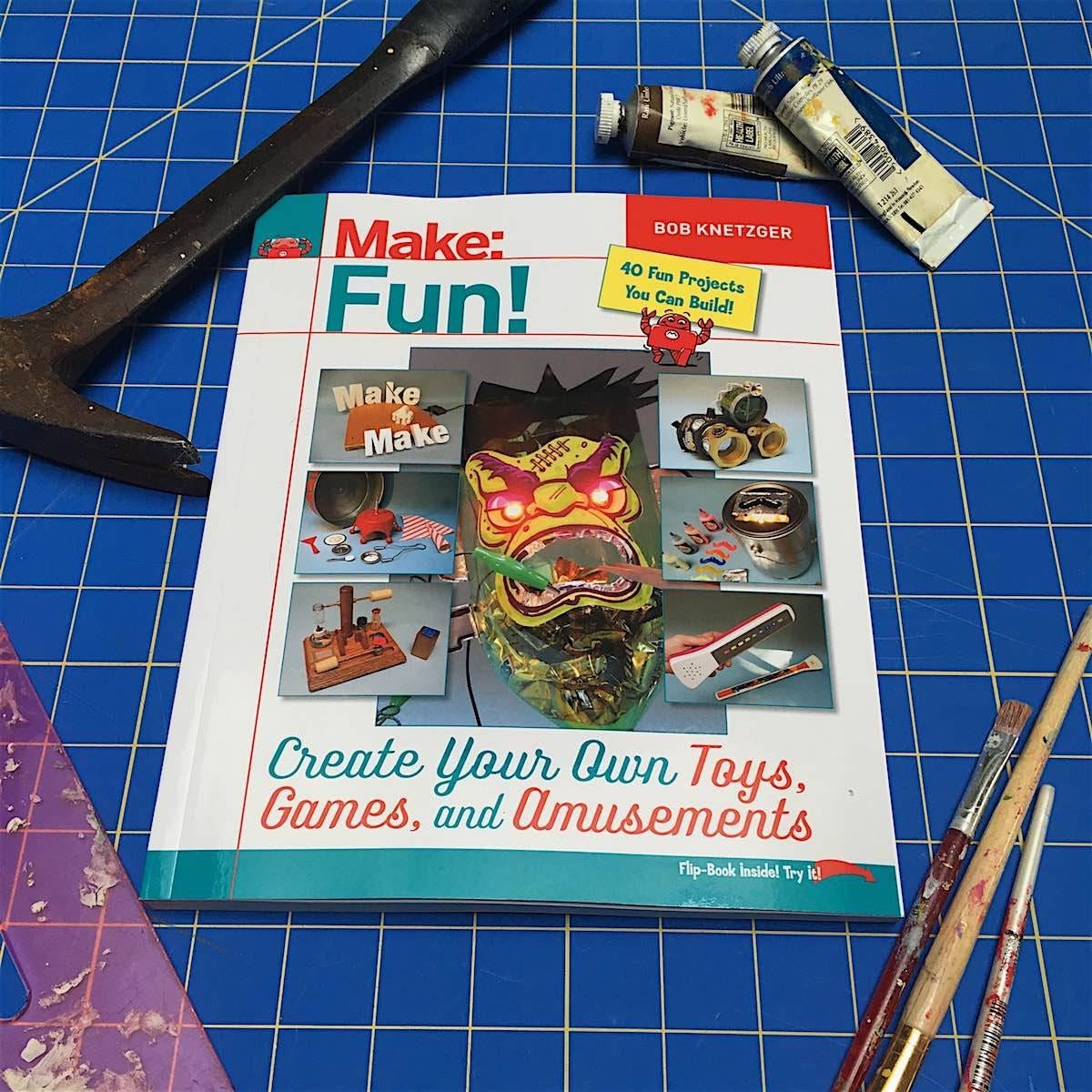
MAKE: FUN! AN INVENTOR, MAKER, AND TOY DESIGNER SHARES HIS FAVORITE PROJECTS

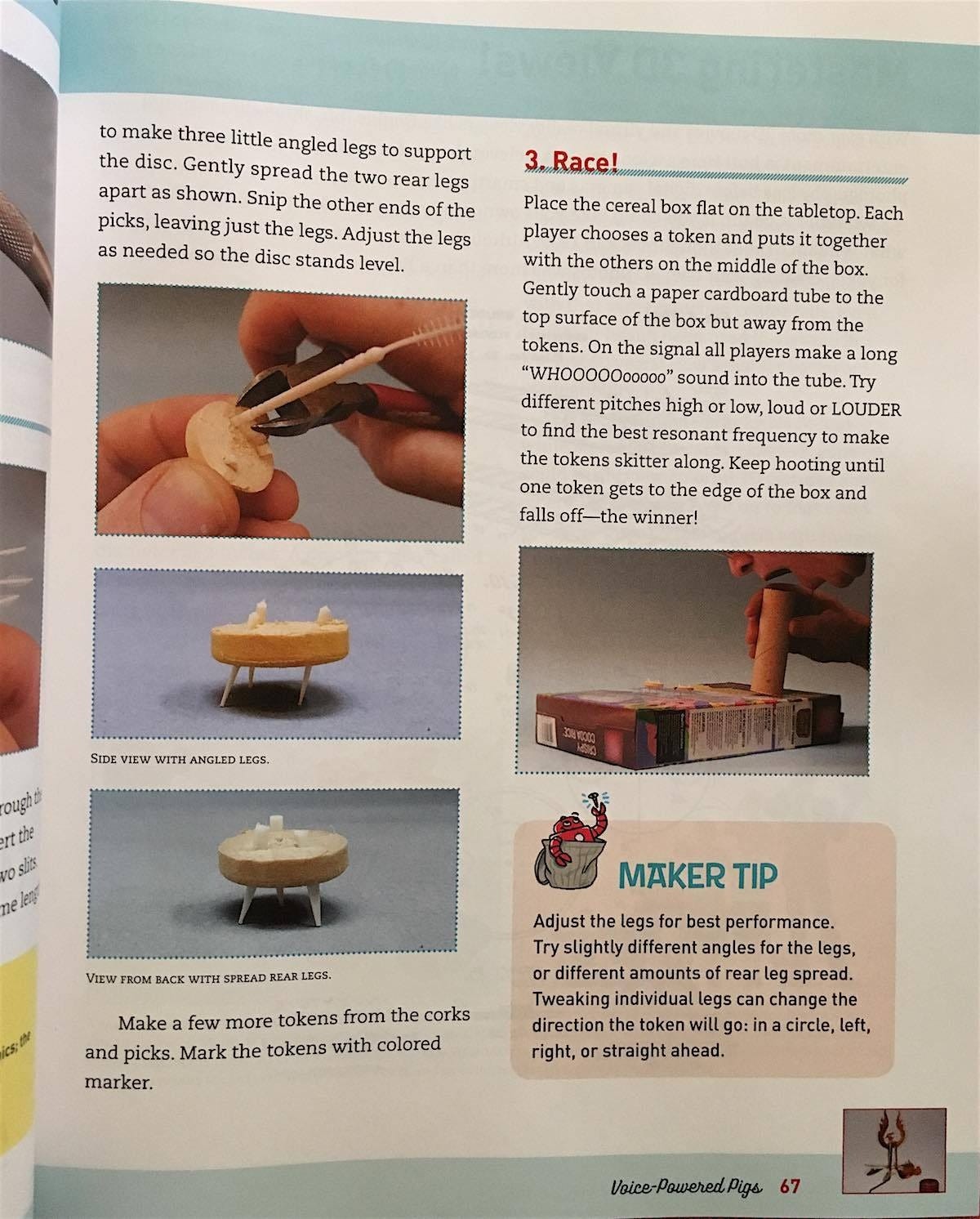
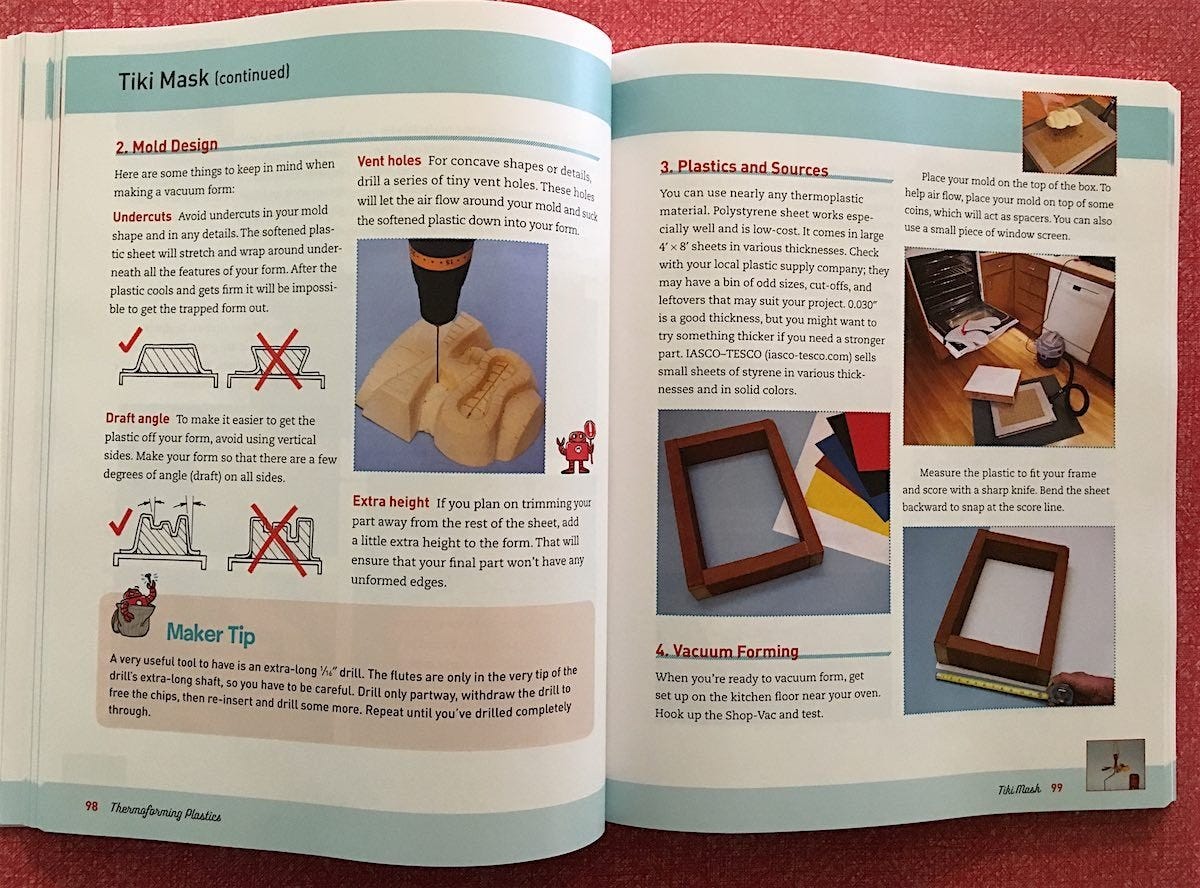
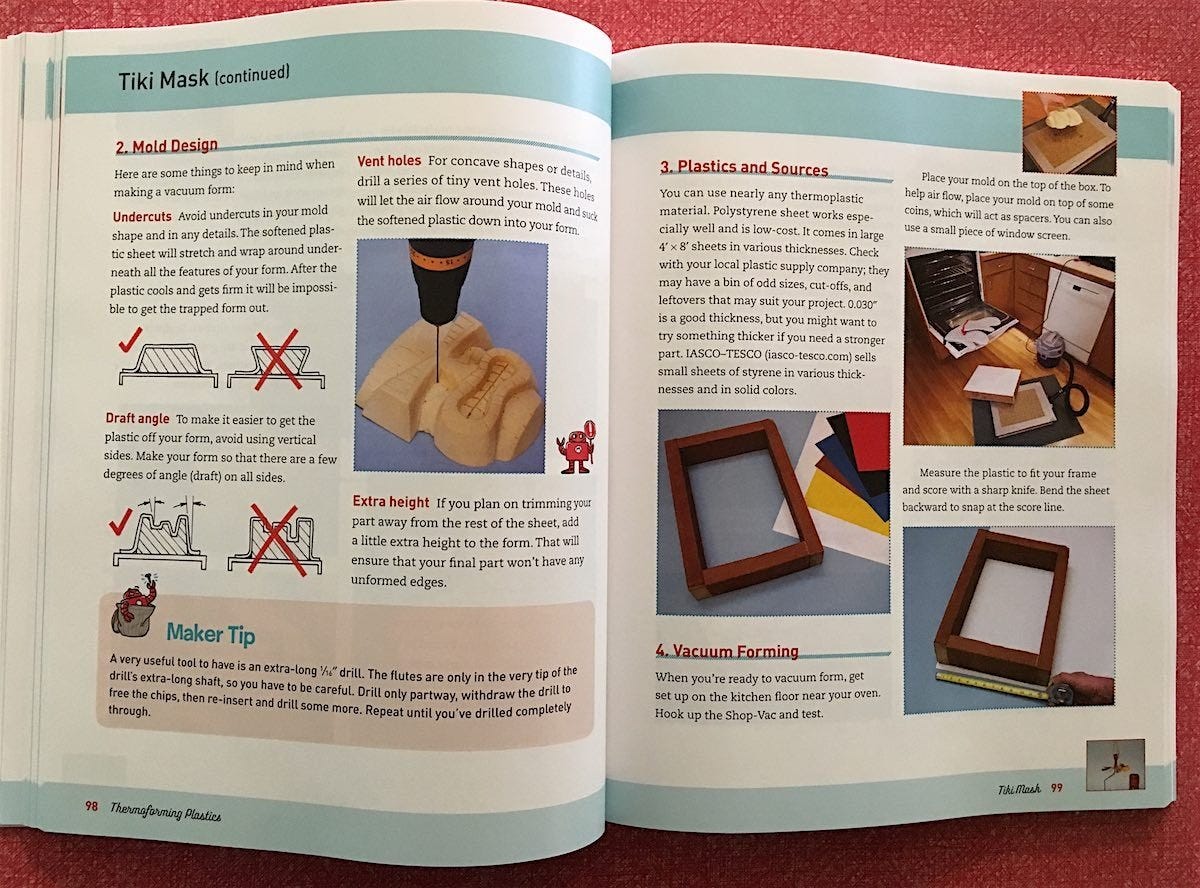
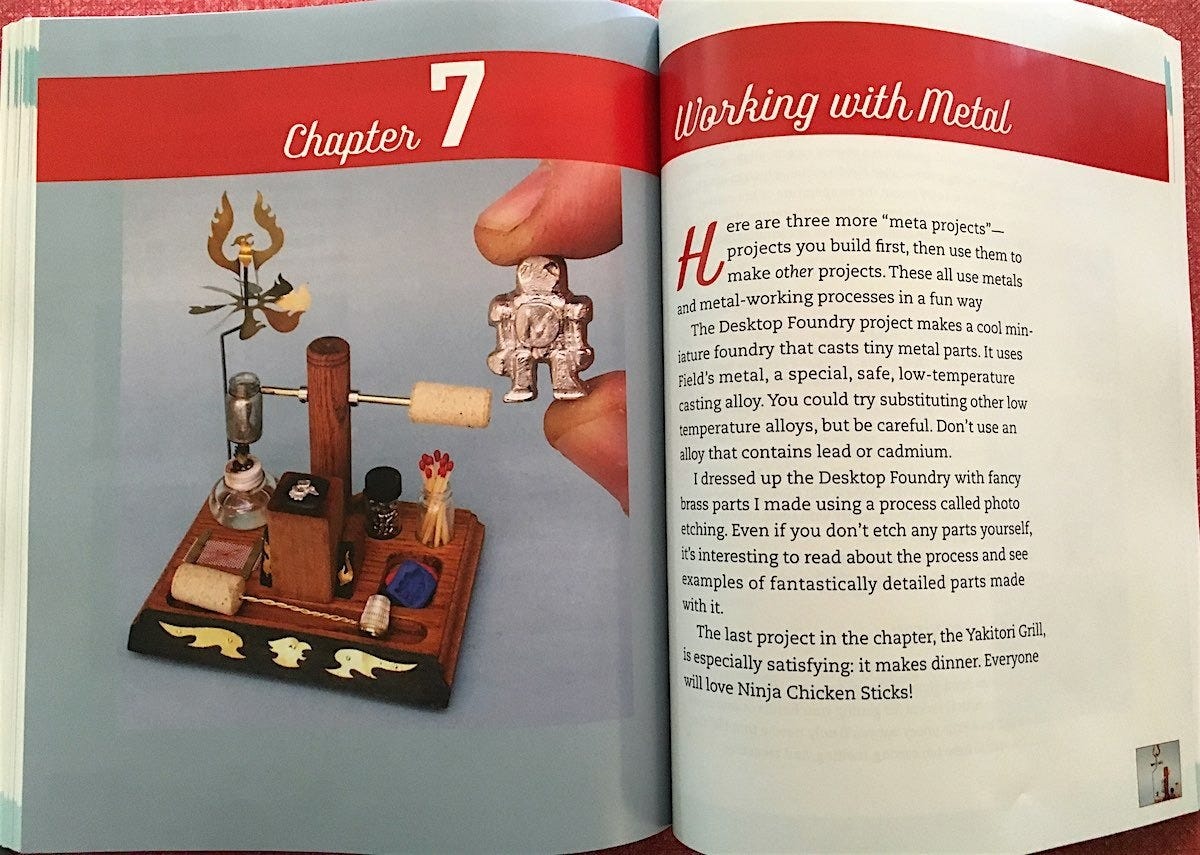
Make: Fun!
by Bob Knetzger
Maker Media
2016, 254 pages, 8 x 9.7 x 0.4 inches
The first thing that struck me about this collection of toy and game projects from former Mattel designer Bob Knetzger was how many of my favorite projects from the pages of Make: magazine were his. Bob has contributed to the magazine for over nine years, and this collection represents a best-of from that run (with some original projects as well). WINK’s own Mark Frauenfelder (founding editor-in-chief of Make:) also contributes the book’s introduction.
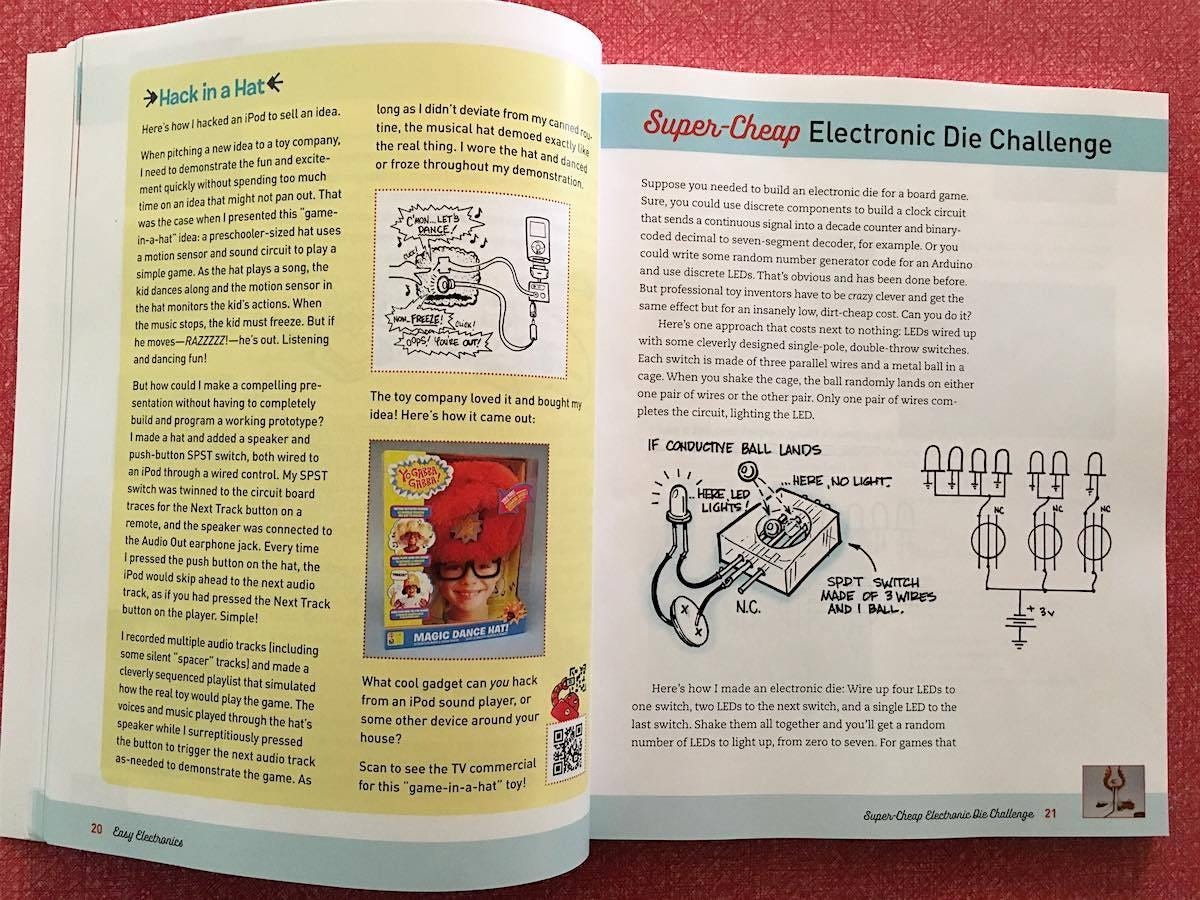
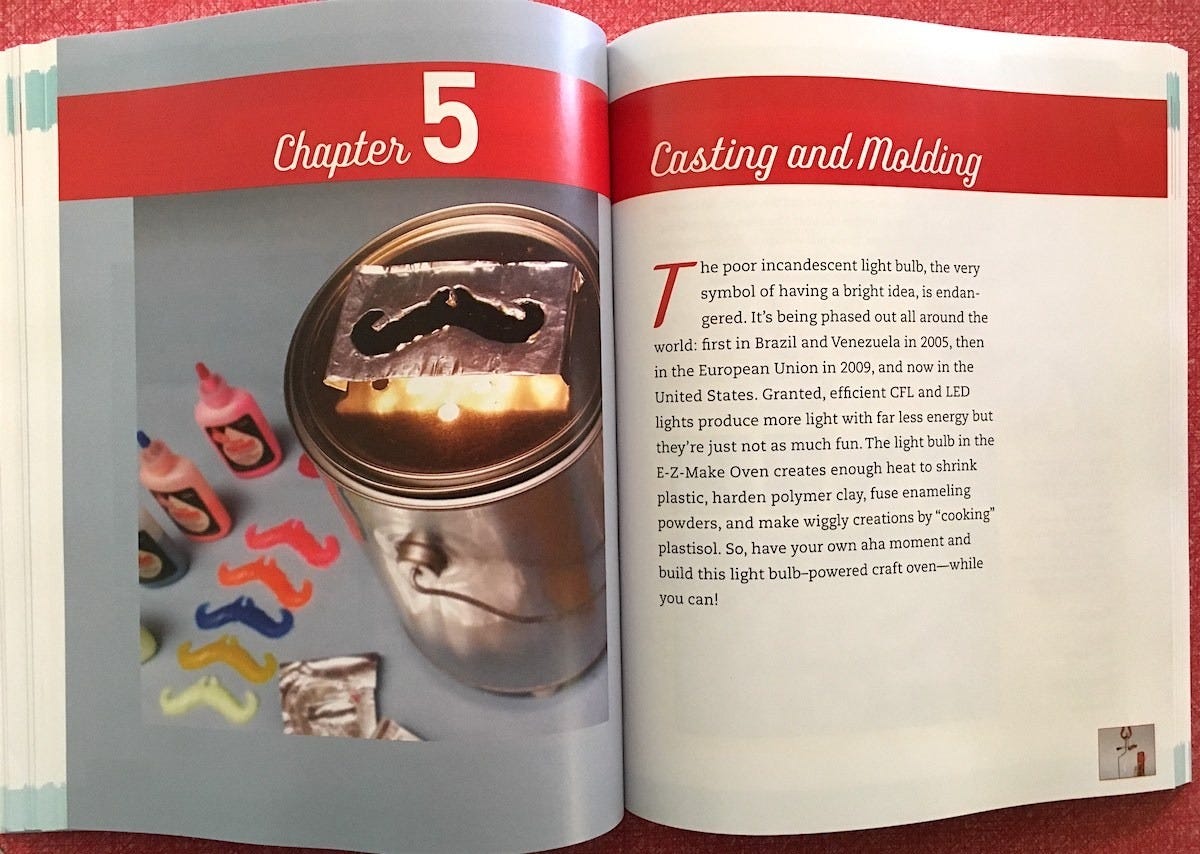
Make: Fun! features full step-by-step instructions for some 40 projects. They range from the very simple, fun, and ephemeral, such as the actuated “Ouija Be Mine” Valentine’s Day card and “Gnome Holiday Hats” to a classic “Diving Spudmarine” bathtub toy to more elaborate builds, such as constructing your own “Kitchen Floor Vacuum Former” and building a “Desktop Foundry.” Some of my favorite projects include the “Monster Candy Snatch Game” (think: Operation), the “E-Z-Make Oven” (think: Mattel’s Thingmaker), and vacuum forming your own “Tiki Masks.”
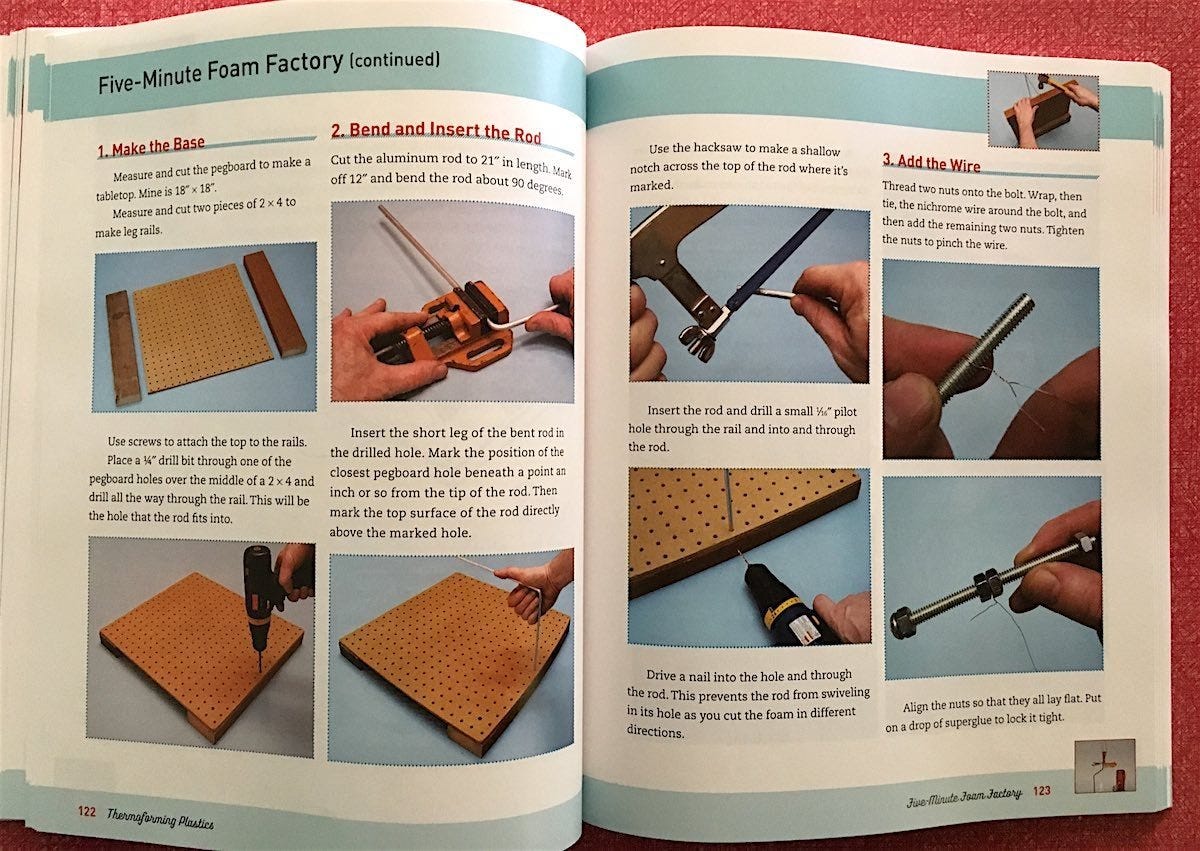
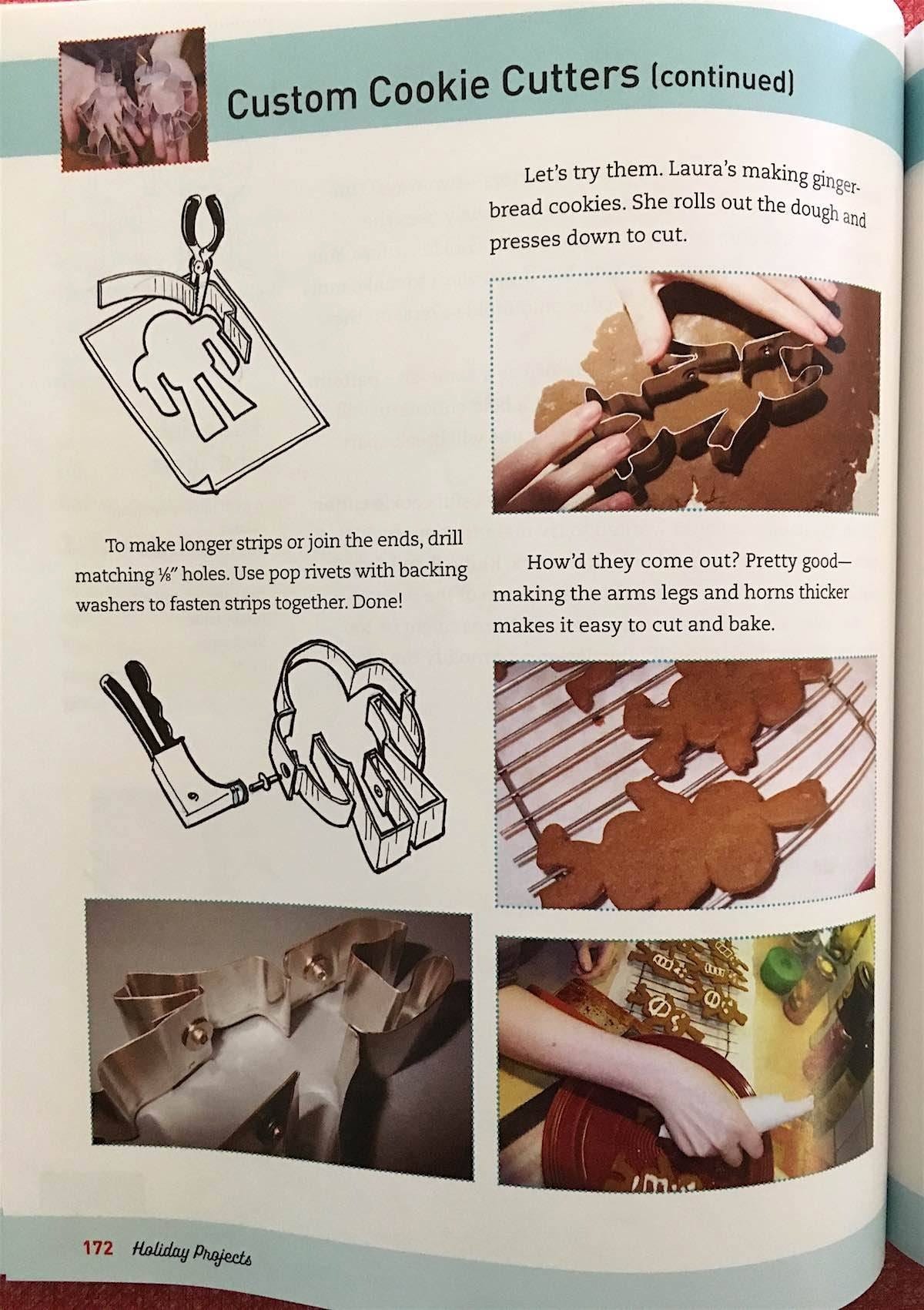
Make: did a really nice job on the production of this book. The projects are well photographed, in full color, and the instructions are well laid out and easy to follow. And there are fun little “gimmicks” that serve the playful spirit of the book (a flip-book animation on the page edges, QR-code videos for some of the projects, and colorful templates and paper project components in the back). You can see the videos, view the templates, and find out more on the book’s companion website. I cannot imagine an imaginative, industrious kid (of any age) getting this book and not wanting to dive right in to building a number of these projects. – Gareth Branwyn
BABA YAGA’S ASSISTANT – A PSEUDO FAIRYTALE THAT BLENDS PRESENT WITH MYTH
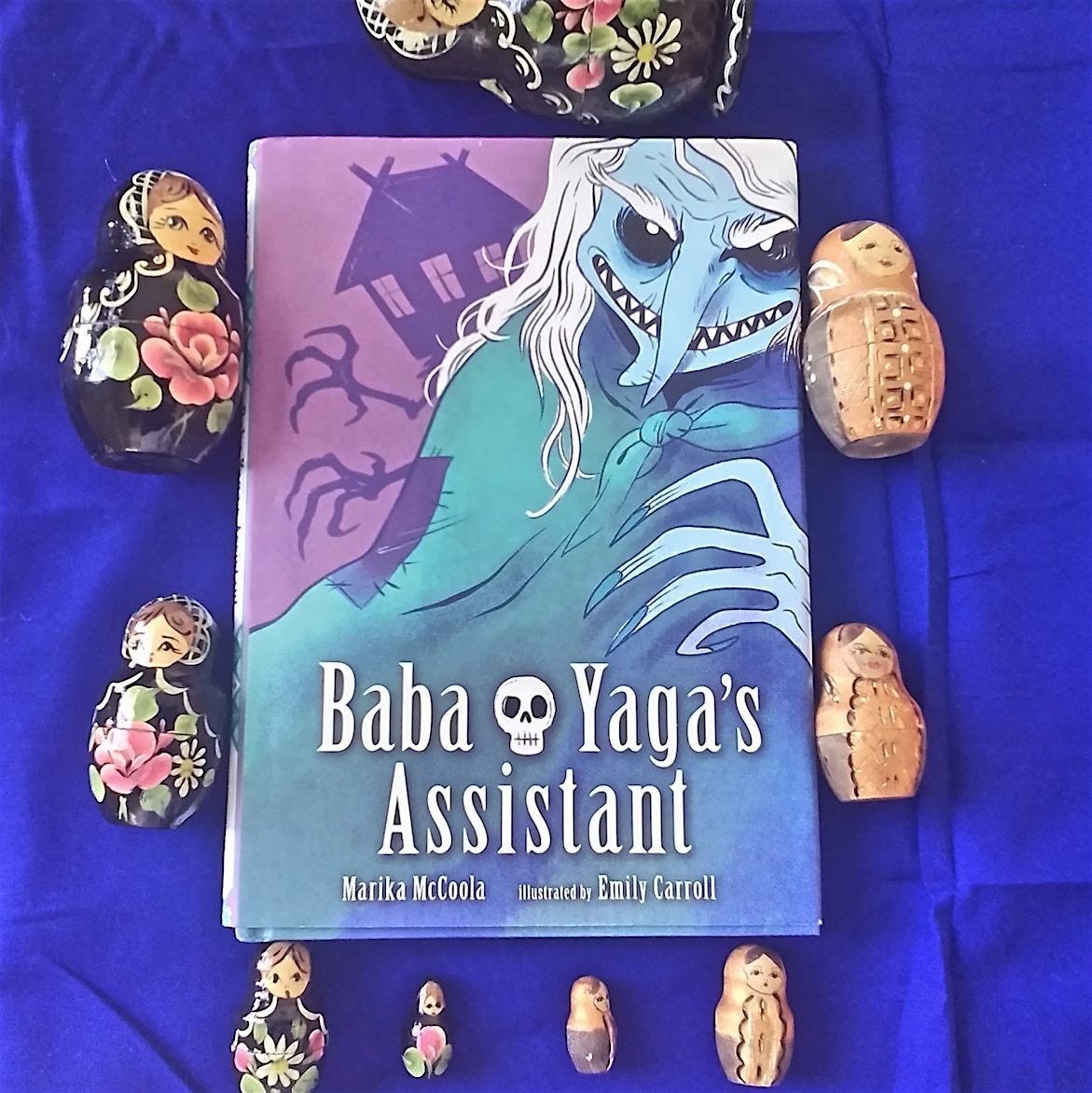



Baba Yaga’s Assistant
by Marika McCoola (author) and Emily Carroll (illustrator)
Candlewick
2015, 136 pages, 6.2 x 8.8 x 0.7 inches
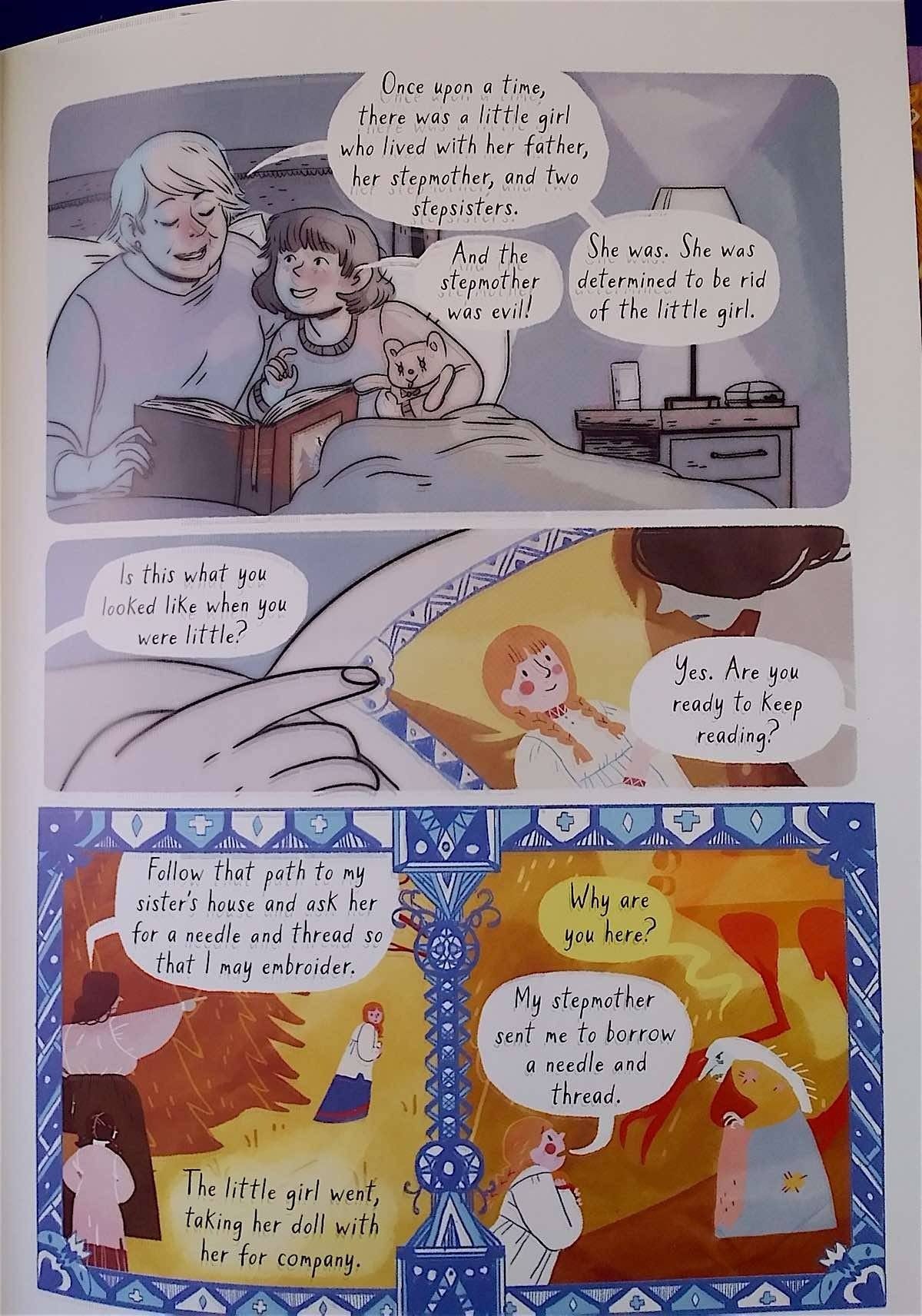
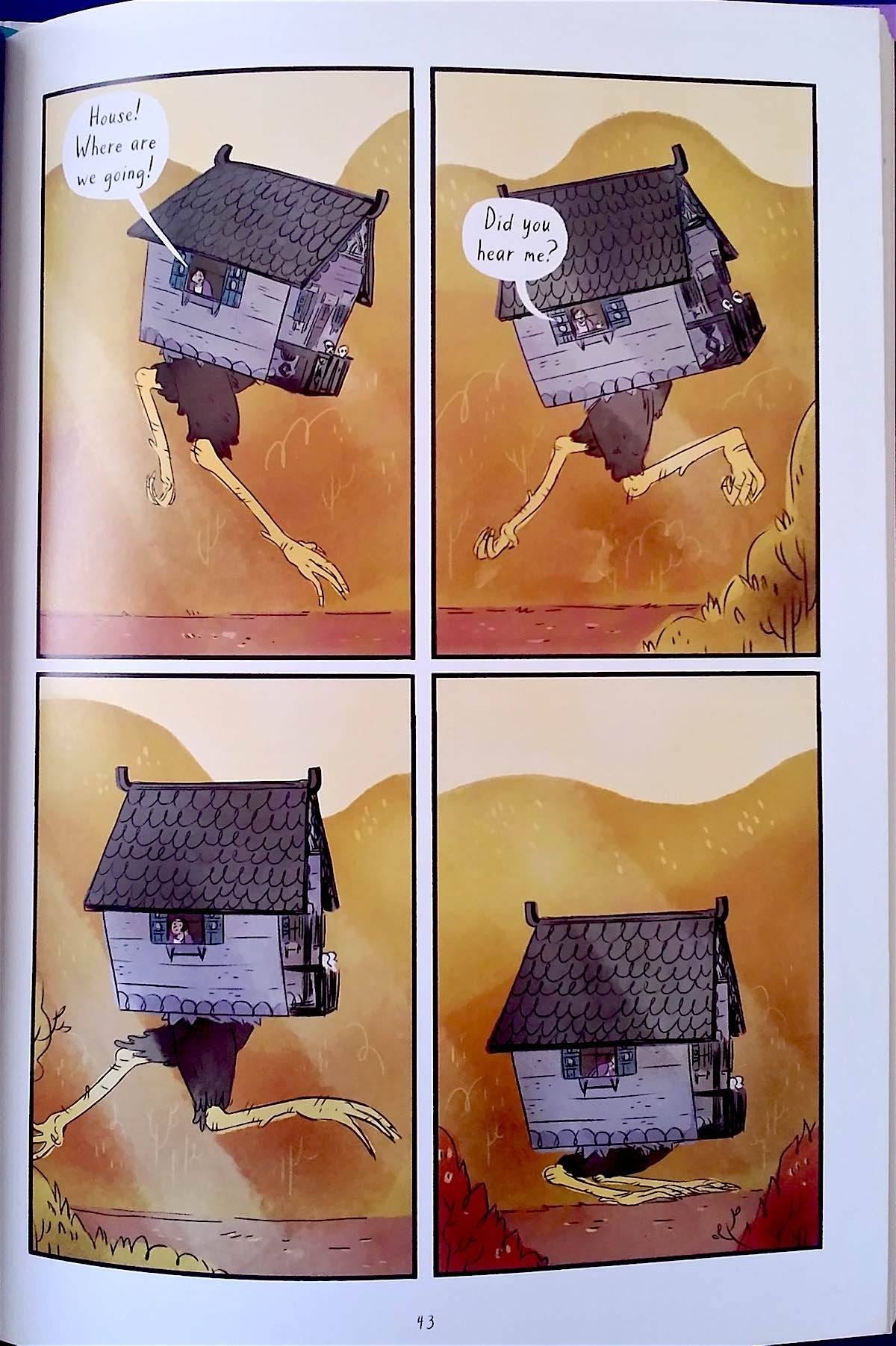
I have long been a fan of Emily Carroll’s distinctive art style, which I was first introduced to in the video game The Yawhg. Her beautiful illustrations fit perfectly with Marika McCoola’s wonderful pseudo-fairytale about a young woman named Masha. Masha feels out of place after her grandmother passes away and her father remarries a woman who has her own daughter. So, when Baba Yaga puts out an advertisement for an assistant, Masha decides to leave and try her hand at working for the terrifying witch of Russian folklore. Masha will have to use her wits and memories from her youth to thrive in her new profession.
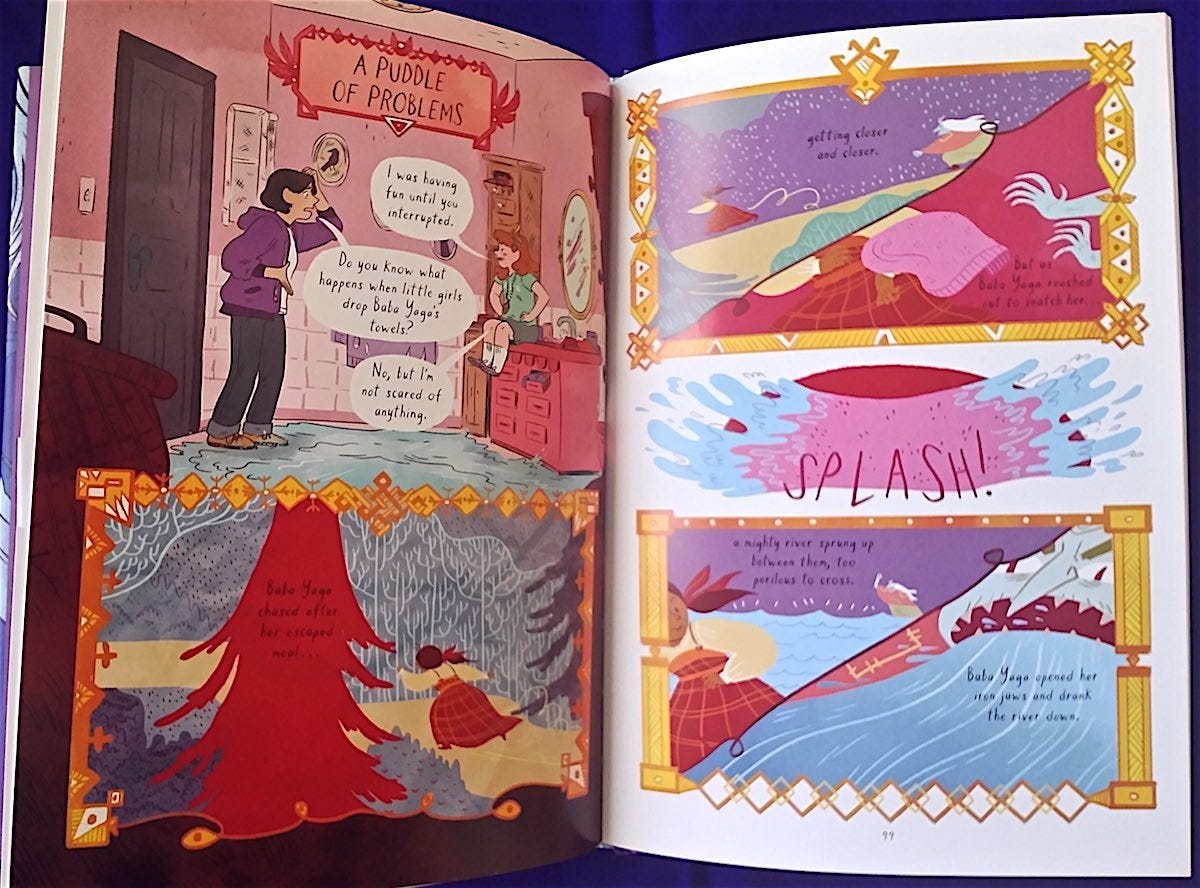
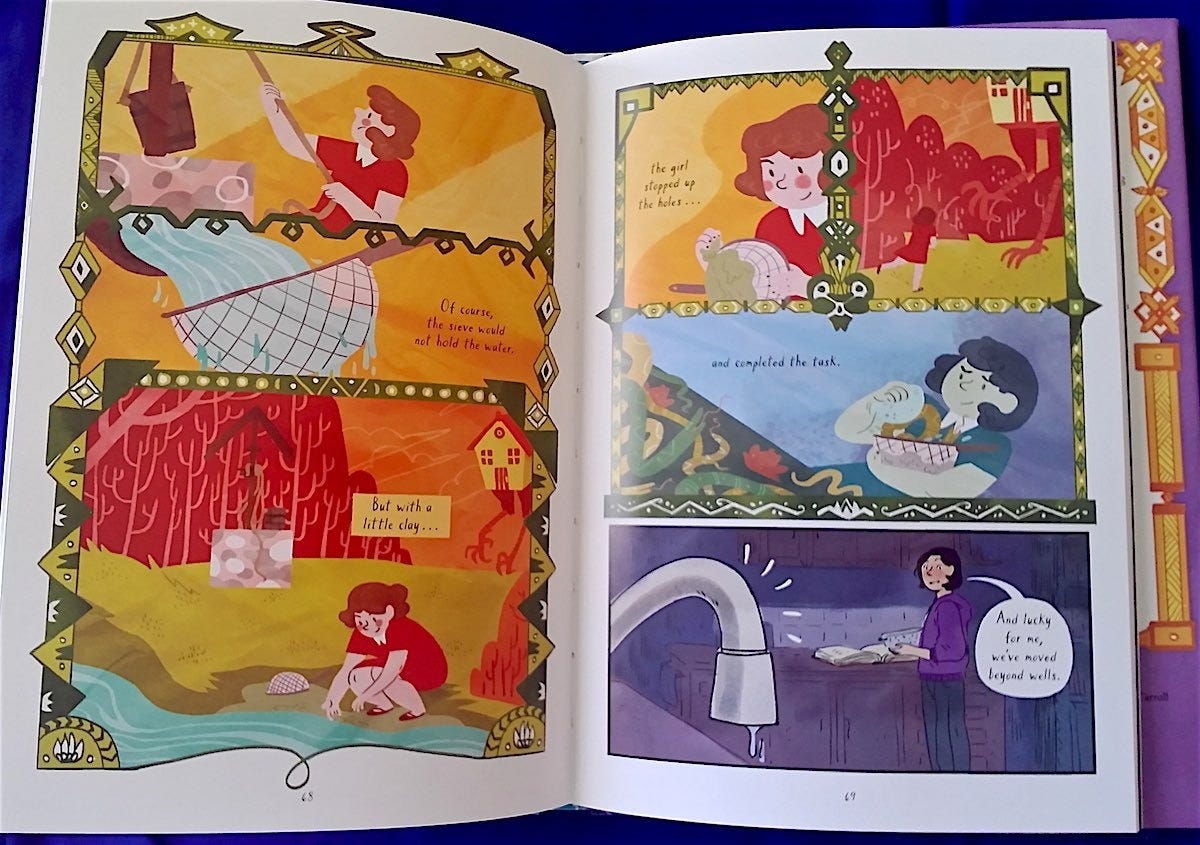
The story blends present with myth and memory, and these different moments are beautifully conveyed in Carroll’s pictures, with different styles for each storyline. For example, when Baba Yaga’s bear attacks Masha, she recalls fairytales from her childhood in order to figure out how to dissuade him from eating her. The style or art changes, with the panels outlined with geometric designs, and the internal images appearing as abstract watercolors. Later, when Masha remembers moments from her past, the images are frequently rendered in duller colors, creating a hazy appearance that appeals to our sense of what memory “looks” like. At other points, the panels spill over into each other, pushing the story quite literally from one section to the next.
My favorite thing about the book is Masha herself, who is plucky enough to stand up to Baba Yaga, and independent enough to pursue her own path. McCoola expertly weaves together folklore with a more modern spin, creating a fairytale for the modern world, and Carroll’s lovingly rendered illustrations only add to the enchantment. If you’ve ever wanted to run away from your life and become a witch (or a witch’s assistant), this is the book for you. Curl up on a rainy day, and enjoy a story that makes you wonder where you’ve been and imagine where you might be going. – Julia Pillard
Books That Belong On Paper first appeared on the web as Wink Books and was edited by Carla Sinclair. Sign up here to get the issues a week early in your inbox.
08/18/2617 August 2026
Making Fun
Tools for Possibilities: issue no. 203
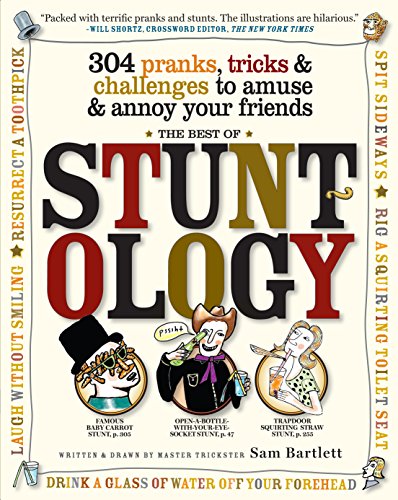
Practical jokes made practical
Pranks you can use. Stupid tricks, dumb gags, and funny routines. Liberate your inner 12-year-old with this handdrawn manual. — KK
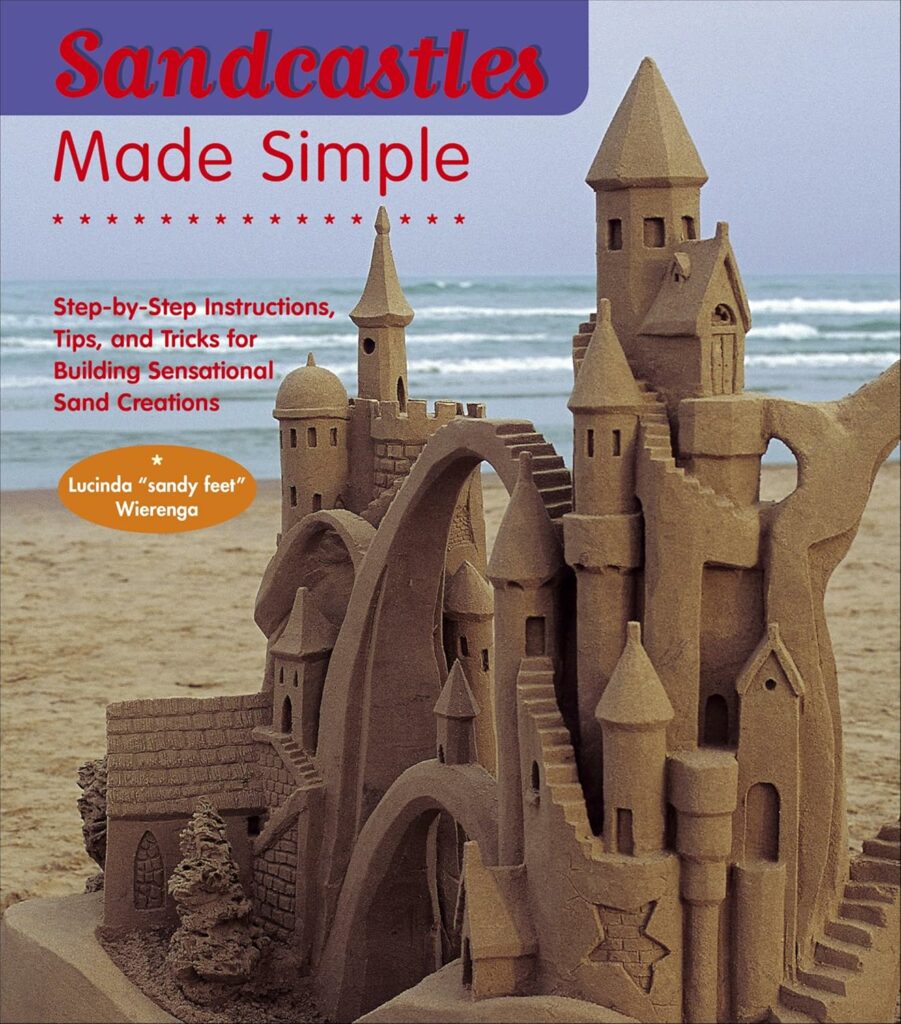
Low-tech sand castle construction manual
In case you haven’t noticed, sand castles have become very elaborate and sand sculpture a new art form. Building them is a complicated business. We’ve used the simple methods here to build sandcastles we can be proud of without too much equipment. In our experience the most important part is finding a beach with suitable building sand. For the rest, follow this book and/or DVD. — KK
Most beach trips I would sit and read while my wife played around in the sand building castles. This year, I found a great resource that had me building sand castles and sculptures that stopped every passerby on the beach.
The Sons of the Beach Sandcastles Made Simple book showed me how to build high-reaching towers and arches by hand, without any buckets or forms. Their tool set was perfect for giving professional looking details. Their optional DVD makes it even easier to learn their technique.
The first week I had their book, I built a 48″ tall light house, several castles (one with a monorail train), and a snowman (they teach you how to make snowballs out of sand). Many people asked me how many years I’d been doing sand sculpture!
The book and DVD teach “hand stacking.” This is a process of scooping a big handfuls of completely saturated wet sand and plopping them on top of each other. By jiggling the sand just as the excess water is running out, it fuses the new plop with the previous ones creating a stable tower.
These folks also discuss and sell large forms (5, 3, 2 foot diameter) which can be used for large competition sculpture, but that was more than I wanted to carry down to the beach. — Chris Evans
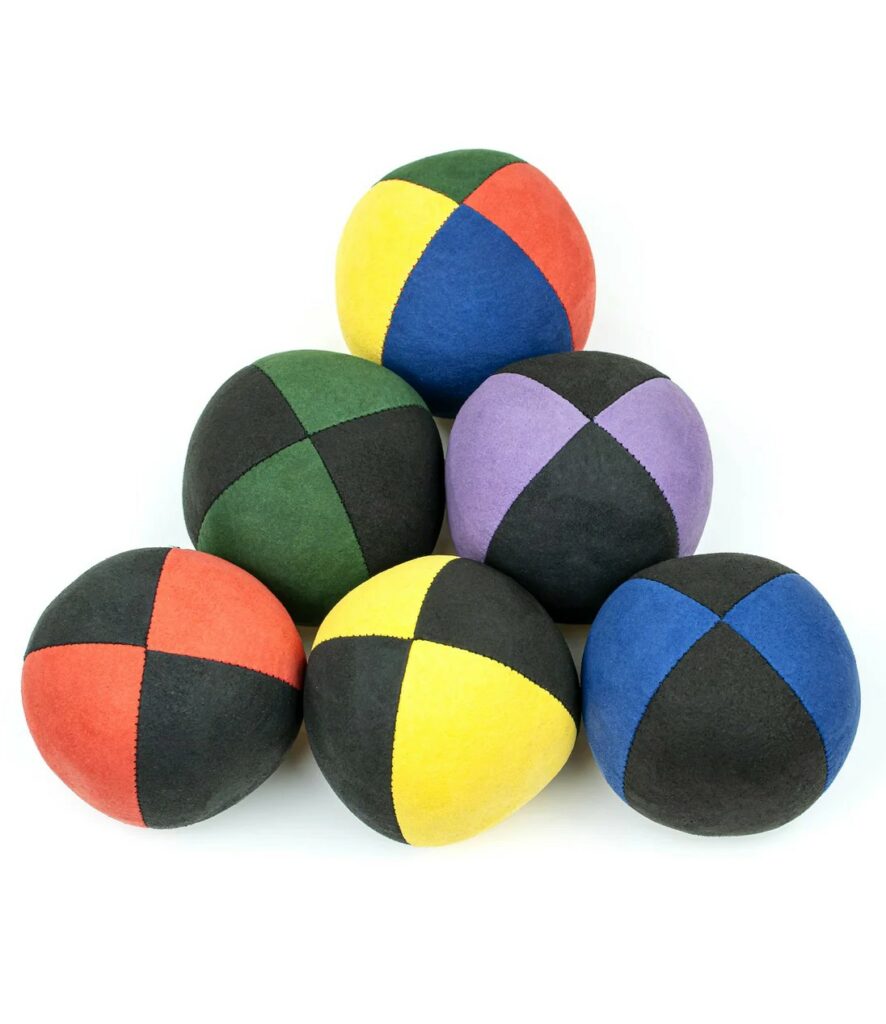
Circus resources
Circus is a physical art-form that can engender a sense of control just as any type of athletics or dance training can. However, unlike most physical disciplines, circus has a place for almost any physical type. It’s one of the few places where I’ve seen short powerfully built women valued for their bodies. The circus is associated with the carnavelsque, so it’s a great way to have a party or to disrupt social patterns. And circus is also a lot of fun.
Circus is still mainly an oral tradition. Moreover, for certain of its disciplines it is confined to very particular places that can rig the necessary equipment and safety devices. It would be, for example, impossible and probably immoral to write a book describing how to learn the flying trapeze. There are plenty of books and resources for learning the object manipulation arts, eg. juggling, stick spinning, plate spinning, diabolo, etc. A good place to start with these would be Juggling Information Services. However, most serious folks quickly move back to oral traditions.
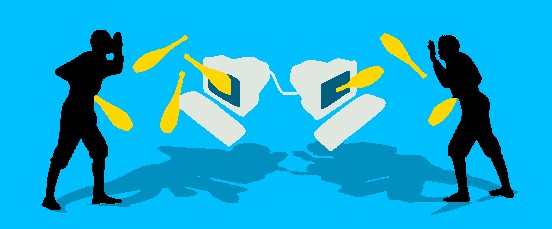
I think the best value however, if you have the time, are youth circus programs. Many big cities have non-profit programs that teach circus to youth. Many of these programs will offer volunteers instruction in the circus arts. The American Youth Circus Organization has a directory of youth circus programs.
I personally have not been too interested in the professional schools. They are more like the graduate programs.
Of course, working for a circus is not a bad way to learn either, and the way that most people, historically, have learned the trade. — Forest Gregg, co-founder of Runaway Circus
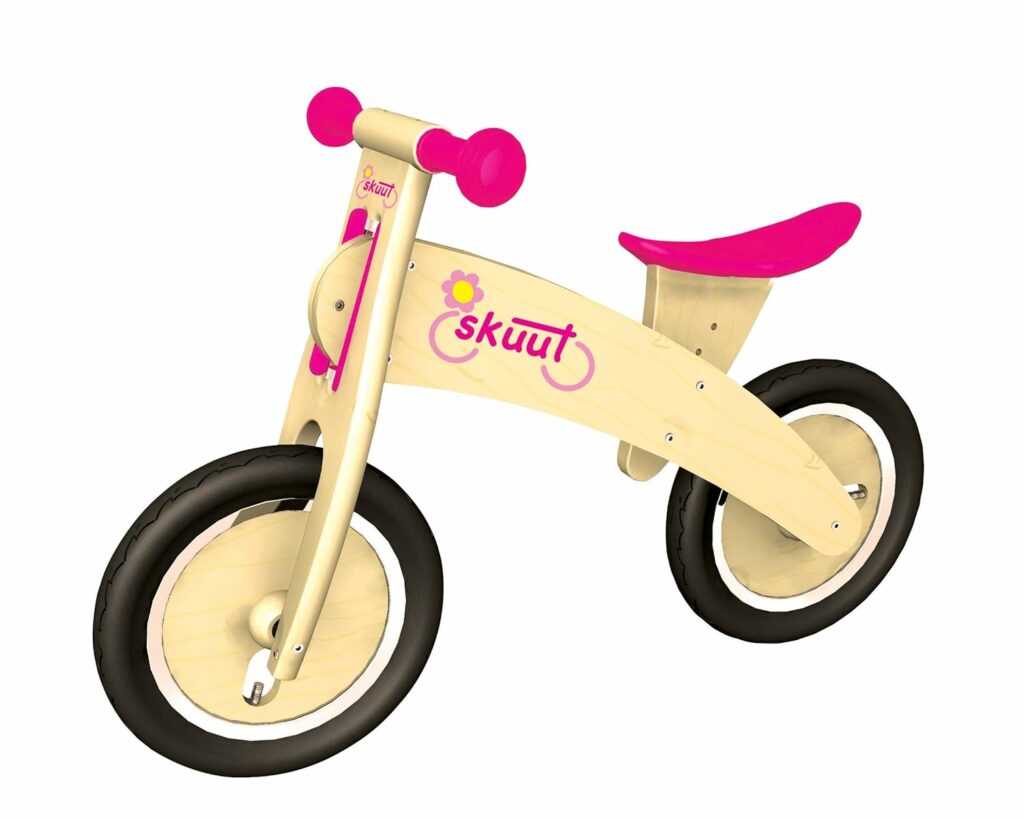
Teach new riders how to balance
Balance bikes teach balance before pedaling. Learning to pedal is easy if you know how to balance. Learning balance is fairly easy, too. But learning them concurrently is hard. With a balance bike instead of a trike or a standard bike with training wheels, it’s much easier for a child to learn the balance, steering dynamics and handling required to ride a bike. My son, at 2 1/2, can go at least a mile on his Skuut bike, and is learning all the skills he’ll need, so that when I get him a normal bicycle, with pedals, he won’t need training wheels.
The design of a balance bike is brilliant—it’s actually similar to the design of the first bicycles (velocipedes) that had no drivetrains. The particular brand of a running or balance bike for kids is not of much concern. Cool Tools previously featured the Likeabike, which was imported from Europe and lovingly crafted, but notably expensive. You can find cheap $50 metal balance bikes these days, but we use the current wooden standard Skuut which is good enough quality for $85. — Elon Schoenholz
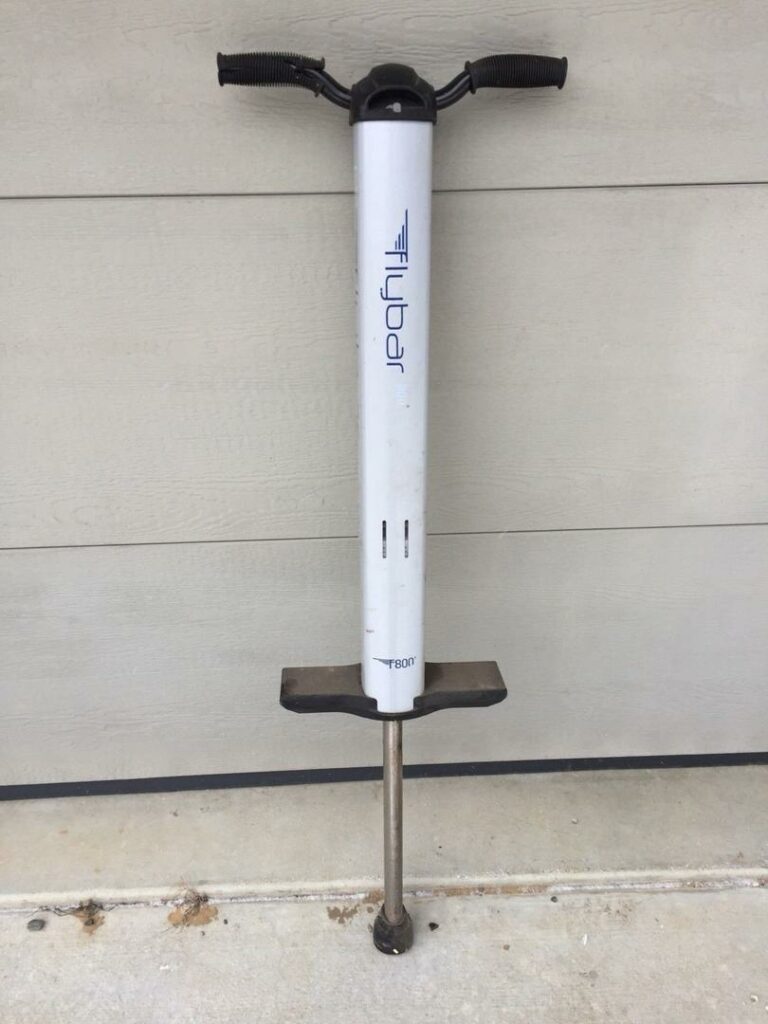
Extreme Pogo Stick
When the guy at the bike store first told us about the Flybar, he said “Man, that thing bounces twenty feet!” It doesn’t, but I understand why he exaggerated. The Flybar has an amazing Boing Factor. Instead of a standard spring, it uses rubber-like bands which make the bounce feel more like a trampoline and can give you a real workout. It’s bulky, but sturdy. You can adjust to handle adult or kid weight. My 13-year-old son saved up for months to buy one and he’s never been sorry, because when he takes it to the local park, the little kids stare at him open-mouthed and the big kids try to keep their mouths closed and hide the fact they’re staring. It’s expensive, but until everyone has one, you will be the most awesome novelty on your block. Yeah, it’s dangerous. You should wear a helmet. Pads would be a good idea. But skateboards, mountain bikes, trampolines, and see-saws can be dangerous too. And fun! — Jay Allison
Once a week we’ll send out a page from Cool Tools: A Catalog of Possibilities. The tools might be outdated or obsolete, and the links to them may or may not work. We present these vintage recommendations as is because the possibilities they inspire are new. Sign up here to get Tools for Possibilities a week early in your inbox.
08/17/2616 August 2026
Retro Recomendo: Money Stuff
Recomendo - issue #527
Our subscriber base has grown so much since we first started nine years ago that most of you have missed all our earliest recommendations. The best of these are still valid and useful, so we’re trying out something new — Retro Recomendo. Once every 6 weeks, we’ll send out a throwback issue of evergreen recommendations focused on one theme from the past 10 years.
A home budget that makes sense to me (YNAB)
For years I’ve tried to keep a home budget, but it never seems to work. I end up spending more than I budgeted in some categories, less in others, and I don’t keep good track of what I’ve spent. When our Cool Tools podcast guest Lillian Karabaic recommended something called You Need a Budget (YNAB), I decided to give it a try. I’m glad I did. YNAB’s websites and mobile apps are excellent, as are the podcasts, videos, blog posts, and mailing lists they produce. It took me a while to wrap my head around the YNAB method, but now that I get it, I’m a true believer. For the first time in my adult life, I feel in control of my finances. — MF
High-leverage philanthropy
I’ve been making micro-loans to entrepreneurs in the developing world via Kiva for 10 years. I loan small amounts (less than $100) to, say, women in Africa hoping to buy a sewing machine to start their own sewing business, or herders in Bolivia needing some equipment to make cheese, and soon enough they will repay the loan so that I can re-loan the money again to someone else. I’ve gone through 4 cycles of loans for my first money, and there is less than 0.1% delinquency — a rate any bank would die for. 100% of my money goes to helping the individuals I select; Kiva’s operating costs are funded separately. The money keeps going around. It’s one of the best bargains in the world. — KK
Salary Transparent Street
Salary Transparent Street shares videos of people on the street being asked, “What do you do?” and “How much do you make?” It’s humbling and (mind-boggling!) to imagine how I would survive in the Bay Area on certain salaries across the U.S. The channel’s goal is to promote pay transparency across the United States, close the gender pay gap, and increase diversity and equal opportunities. You can follow it on Instagram, YouTube, or TikTok. — CD
Online notary service
Notarizing documents traditionally requires visiting a notary, but I’ve been utilizing online notary services for the past few years to avoid this hassle. All that’s needed is a laptop with a webcam. There are numerous online notaries available; my recent choice was Notarize.com, which charges $25 to notarize a single document. — MF
Equipping students
Few things in life are as satisfying as getting handwritten thank-you notes from school kids for helping them learn. DonorsChoose is a non-profit that features thousands of public school teachers seeking basic school supplies, or extra gear for special projects (rocket kits for science!). The teachers post their pitch. You choose a project. When it gets fully funded, they post verification pictures of the kids using the resource which your funds provided, and later they’ll send you a fistful of amazingly detailed (and endearing) letters from the students themselves. You’ll want to do this. — KK
Zelle payments
I use PayPal to send money to strangers (like on eBay or Etsy); I use Venmo to pay friends; but if I need to send a lot of money (more than several thousand $$$), I use Zelle. Unlike Venmo, which holds a reserve in your account that you replenish, Zelle is basically a bank-to-bank wire transfer – for free. But the interface is person-to-person. Still can’t do it internationally, but it is very handy for larger peer-to-peer payments in the U.S. Easy to set up. — KK
Sign up here to get Recomendo a week early in your inbox.
08/16/26ALL REVIEWS
 08/14/26
Book Freak #222: How to remember anything, from a memory champion
Everyday Genius by Nelson Dellis


EDITOR'S FAVORITES
COOL TOOLS SHOW PODCAST
WHAT'S IN MY BAG?
19 August 2026
ABOUT COOL TOOLS
Cool Tools is a web site which recommends the best/cheapest tools available. Tools are defined broadly as anything that can be useful. This includes hand tools, machines, books, software, gadgets, websites, maps, and even ideas. All reviews are positive raves written by real users. We don’t bother with negative reviews because our intent is to only offer the best.
One new tool is posted each weekday. Cool Tools does NOT sell anything. The site provides prices and convenient sources for readers to purchase items.
When Amazon.com is listed as a source (which it often is because of its prices and convenience) Cool Tools receives a fractional fee from Amazon if items are purchased at Amazon on that visit. Cool Tools also earns revenue from Google ads, although we have no foreknowledge nor much control of which ads will appear.
We recently posted a short history of Cool Tools which included current stats as of April 2008. This explains both the genesis of this site, and the tools we use to operate it.
 Kevin Kelly started Cool Tools in 2000 as an email list, then as a blog since 2003. He edited all reviews through 2006. He writes the occasional review, oversees the design and editorial direction of this site, and made a book version of Cool Tools. If you have a question about the website in general his email is kk {at} kk.org.
 Mark Frauenfelder edits Cool Tools and develops editorial projects for Cool Tools Lab, LLC. If you’d like to submit a review, email him at editor {at} cool-tools.org (or use the Submit a Tool form).
 Claudia Dawson runs the Cool Tool website, posting items daily, maintaining software, measuring analytics, managing ads, and in general keeping the site alive. If you have a concern about the operation or status of this site contact her email is claudia {at} cool-tools.org.