Die Broke
Why to give now
God punishes one generation when it accepts the undiminished wealth of the previous generation. The way to escape perpetuating generational richity is to die broke. But what about college for my kids, or when I’m sick, old, or retired? This book has answers for you and very specific tactics for the liberation of all from the myth of inheritance.
12/28/03Excerpt
You are not a corporation - you are a human being. Your money shouldn't outlive you. You should exit life as you came into it: penniless. Your assets are resources to be used, for your own benefit and for the benefit of those you love. Every dollar that's left in your bank account after you die is a dollar you wasted. Use your resources to help people now when you know they need it, when it will do the most good, rather than hoping they'll be helped when you're dead. The last check you write should be to your undertaker -- and it should bounce.
*
Inheritance is a terribly inefficient way to pass wealth to others.
*
You need to shift to a more flexible view of work and career, one that abandons the ultimatum of retirement - a false choice between full-time and no time. Similarly you need to shift to a less rigid approach to earned income. No longer can you look at your earned income as continually increasing up until age sixty-five, at which pint it will stop entirely. From now on you need to approach earned income as you do unearned income. It may grow, it may be stagnant, or it may decrease, all depending on market conditions and your own choices.
*
The best metaphor I can think of for today's pursuit of retirement is of a mass of lemmings busily struggling up a steep cliff and then jumping off the cliff into the abyss.
*
Dying broke means living well.
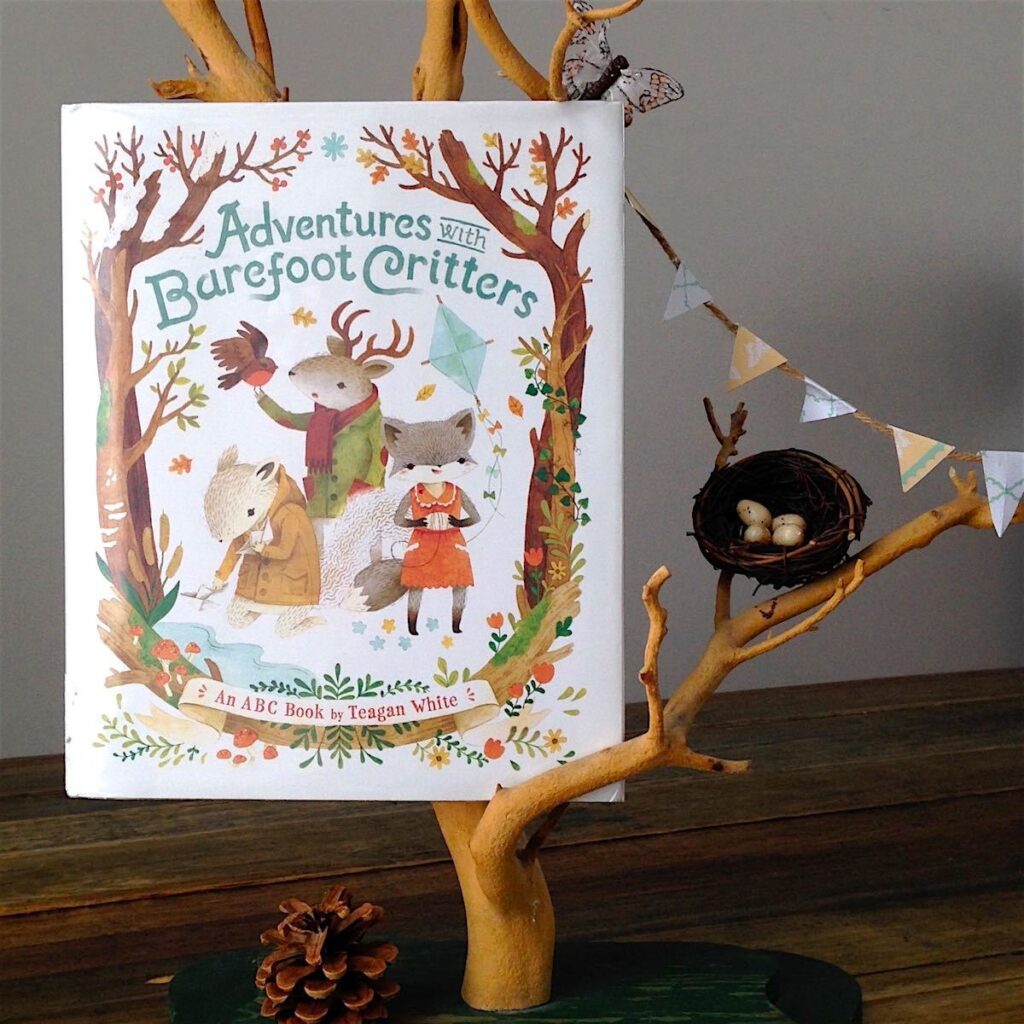
Die Broke A Radical Four-Part Financial Plan Stephen M. Pollan and Mark Levine 1997, 305 pages $13